 Written by Mark Bailey
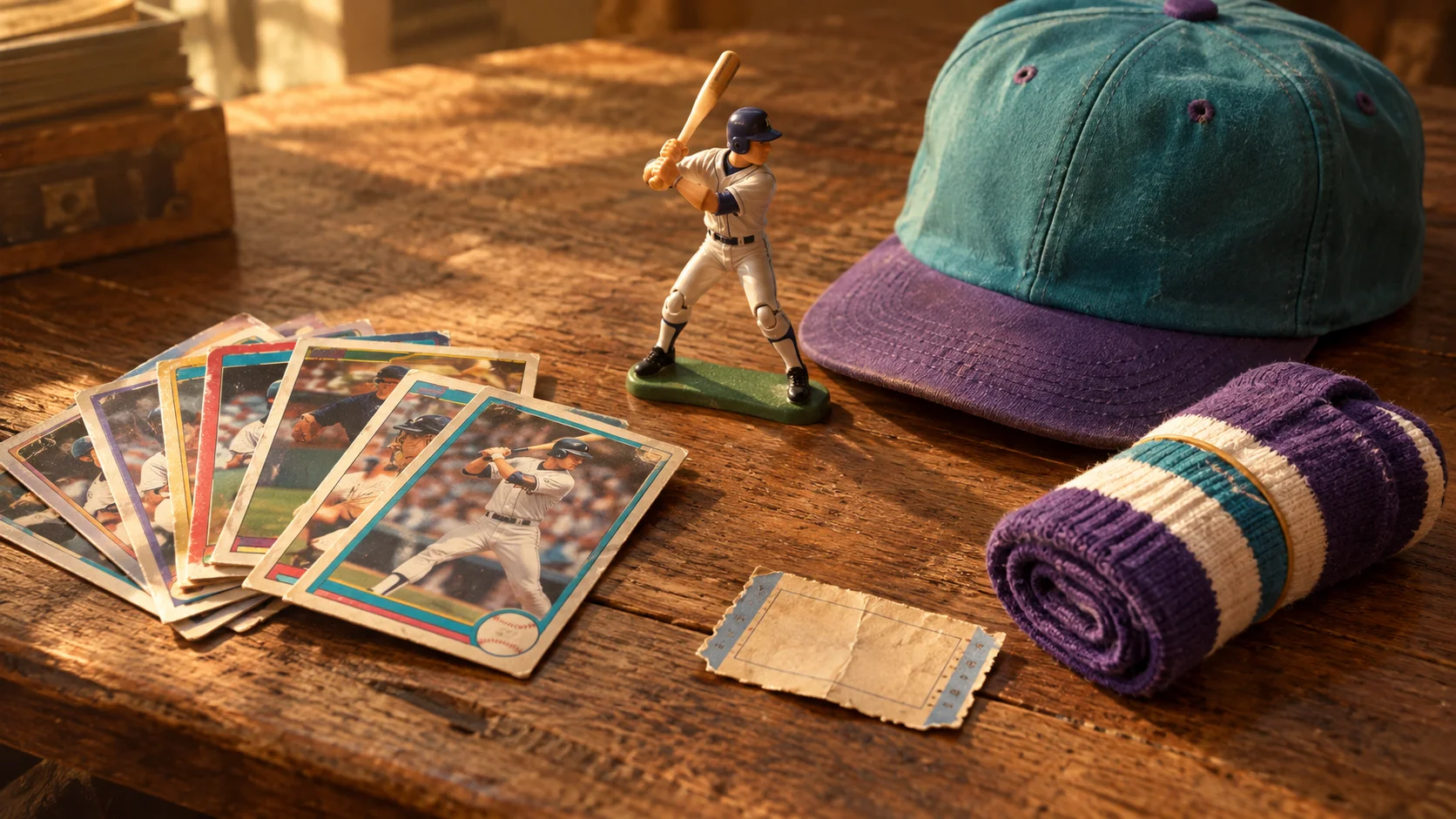
Turn on a game today and it feels permanent, like baseball has always looked exactly like this. It hasn’t.
The sport a lot of us grew up on in the 1990s was a different animal, and some of the changes happened so quietly you probably never clocked them.
We spend most of our time on baseball around here, so consider this a full lap through the decade, no apologies.
A few of these were written into the rulebook. A few were just the texture of a Tuesday night at the ballpark. Number one still trips up people who swear they remember the ’90s cold.
1. There was no instant replay. At all.
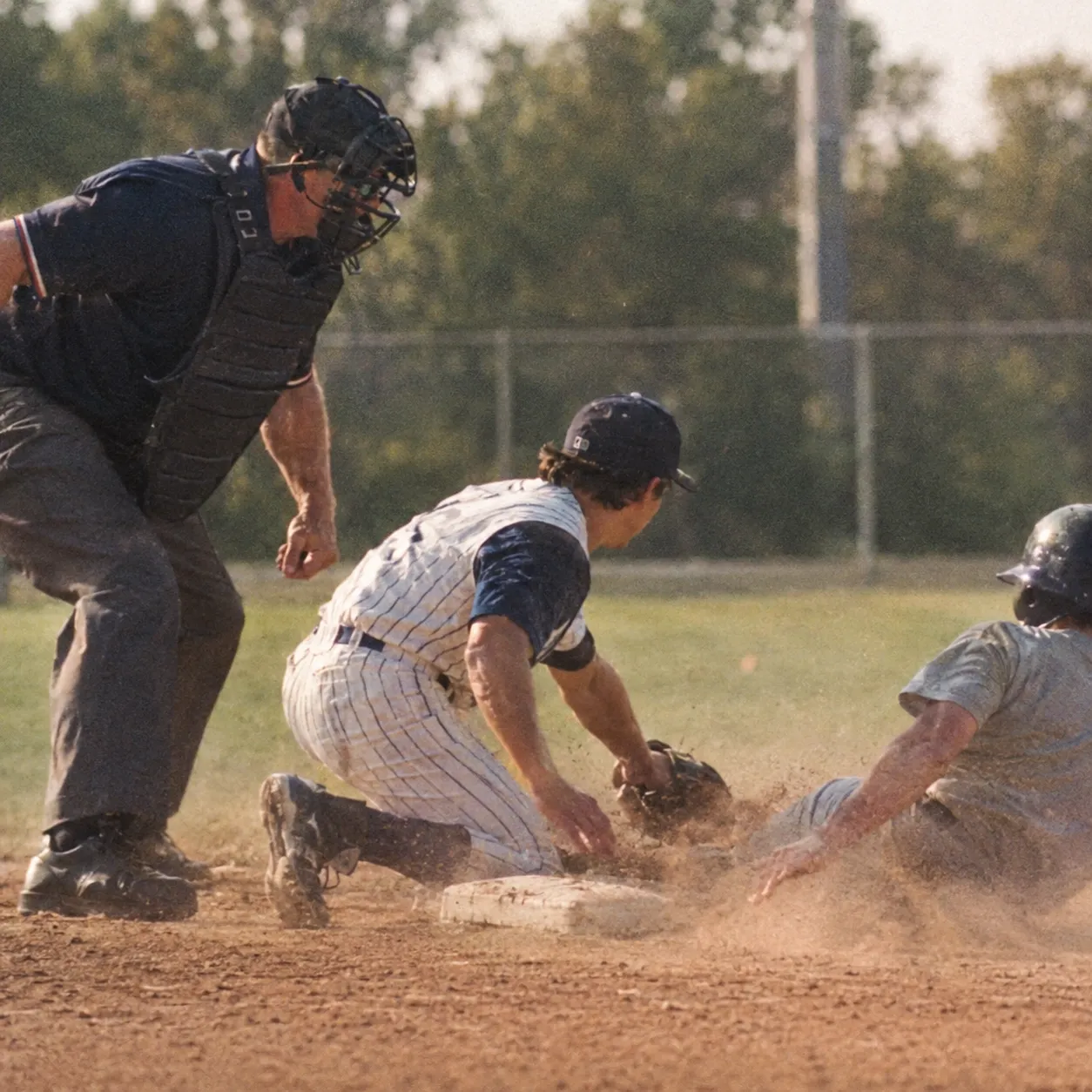
Every blown call in the ’90s just stood, forever.
MLB didn’t use replay review of any kind until August 28, 2008, and even then only for home run calls. The manager challenge system everyone leans on now didn’t arrive until 2014.
So the entire decade ran on the umpire’s eyeballs and nothing else.
2. Managers fought calls to an umpire’s face
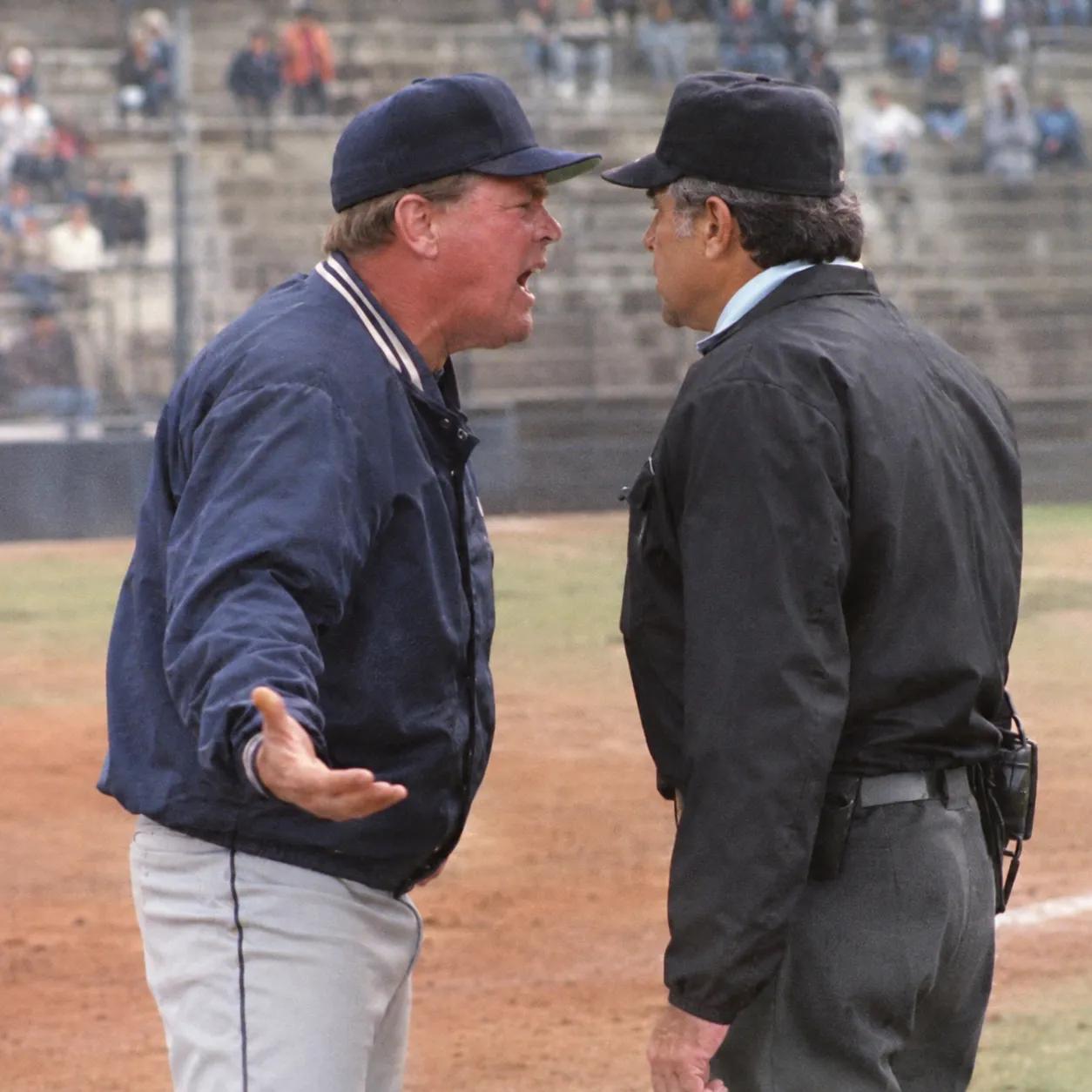
With no challenge flag to toss, a bad call meant a manager came flying out of the dugout.
The kicked dirt, the hat spiked into the ground, the finger jabbing an inch from an ump’s nose. That was the review system, and the crowd lived for every second of it.
3. Only the division winners went to October
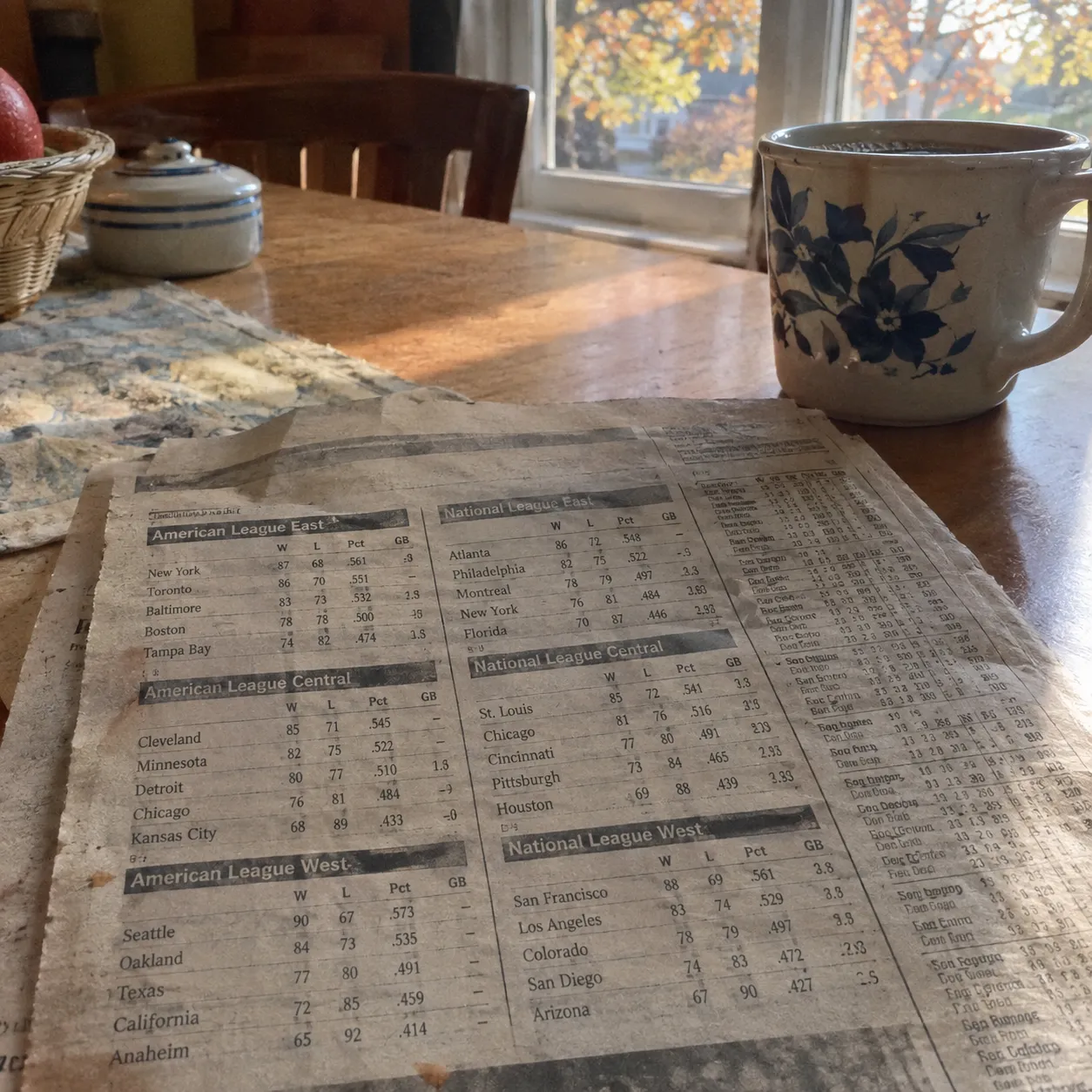
For most of the decade there was no wild card to slip through.
Each league had two divisions, and finishing second earned you a long offseason and nothing else. Three divisions and a wild card berth didn’t show up until the 1995 season, pushed back a year by the strike.
4. A strike canceled the World Series
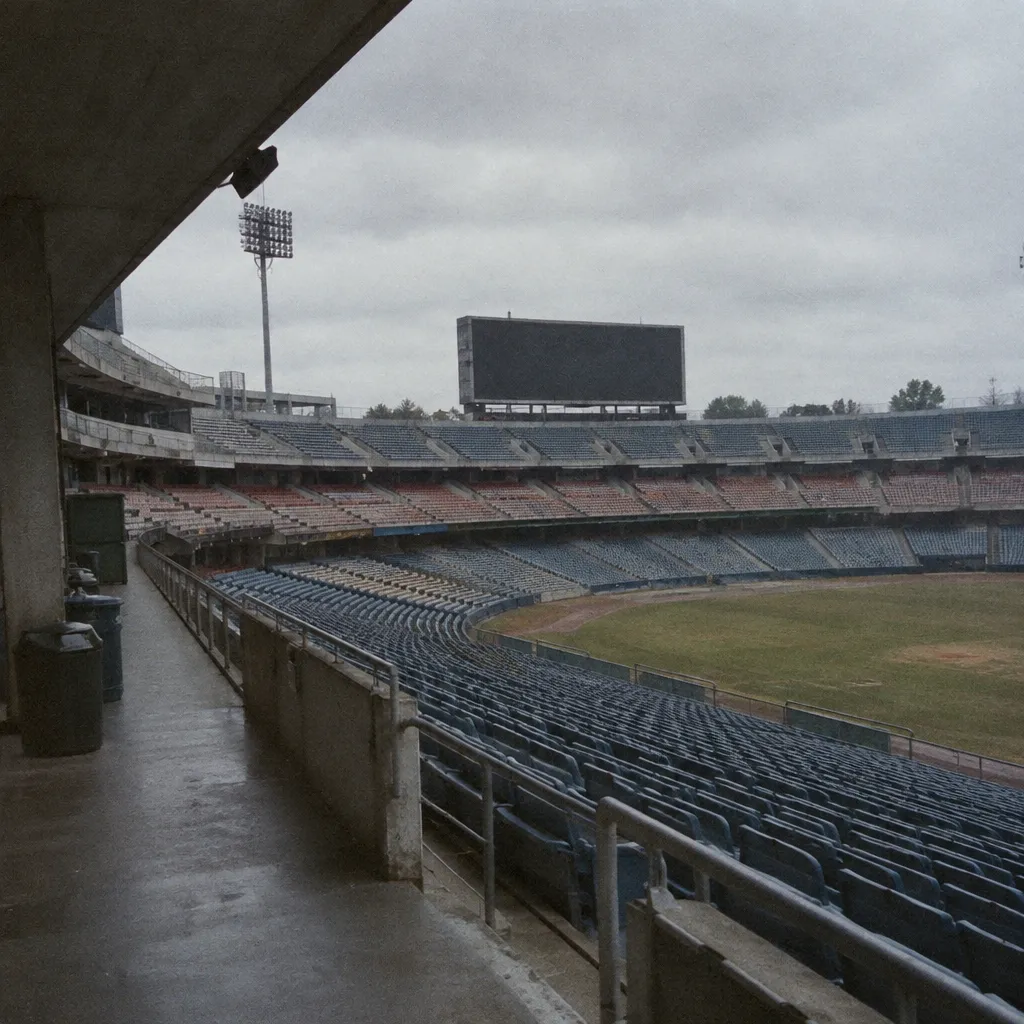
In 1994 the players walked out and the season simply stopped, no World Series for the first time in most fans’ living memory.
The 1994-95 work stoppage wiped out the postseason and delayed the new playoff format by a year. That’s the real reason the wild card feels like it starts in 1995.
5. The two leagues never played each other
An American League team meeting a National League team in the regular season just did not happen.
For 126 straight years the leagues stayed in their own lanes, right up until the first interleague game on June 12, 1997, Giants at Rangers. Owners had only approved the idea the year before.
A regular-season Yankees-Mets game was pure fantasy until then.
6. Teams played in giant concrete bowls
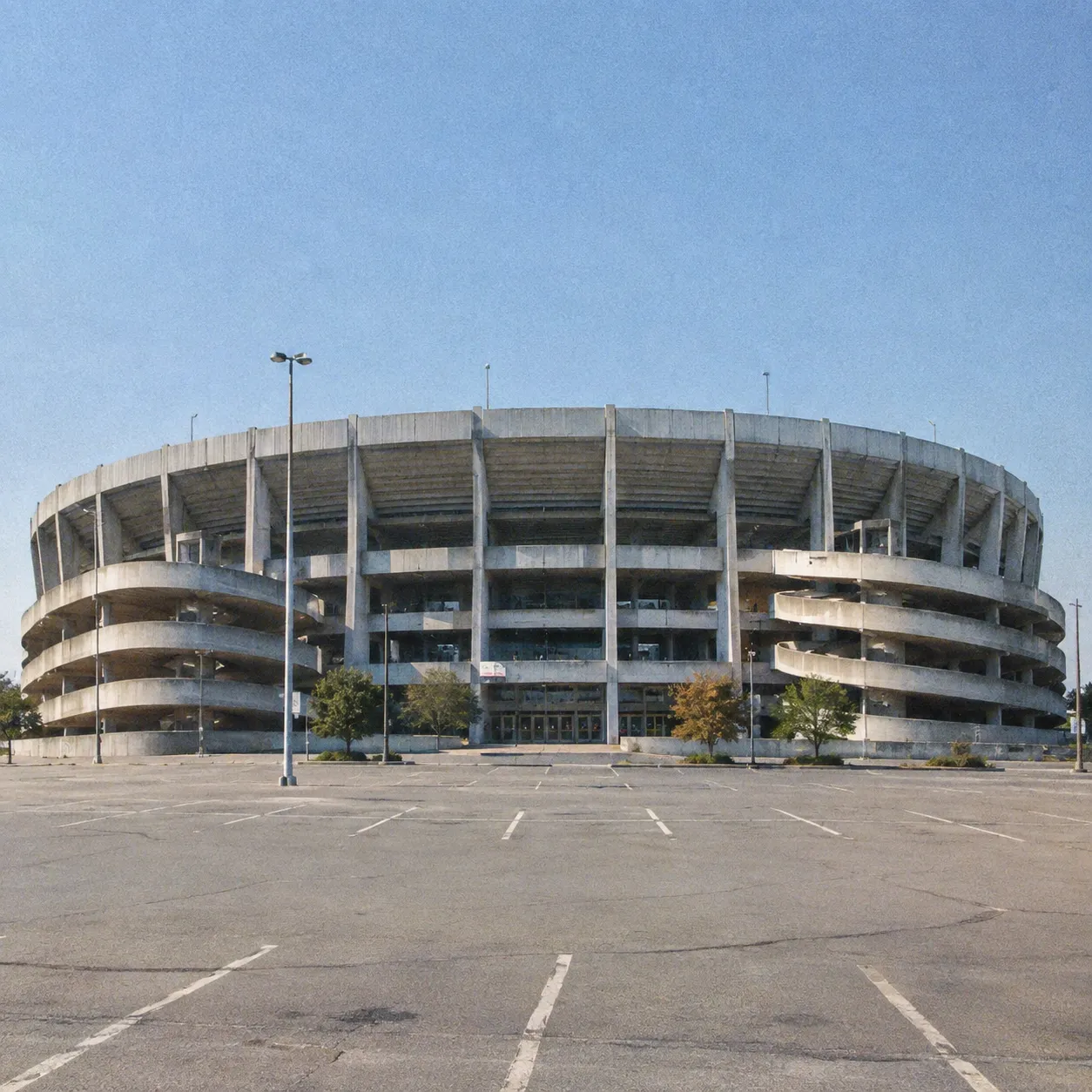
A lot of ’90s clubs still played in round, symmetrical stadiums they shared with a football team.
These cookie-cutter multipurpose parks came with artificial turf and roughly the charm of a parking garage. They blurred together on purpose, one gray ring after another.
You could barely tell which city you were watching from the outfield camera.
7. Then Camden Yards changed every ballpark after it
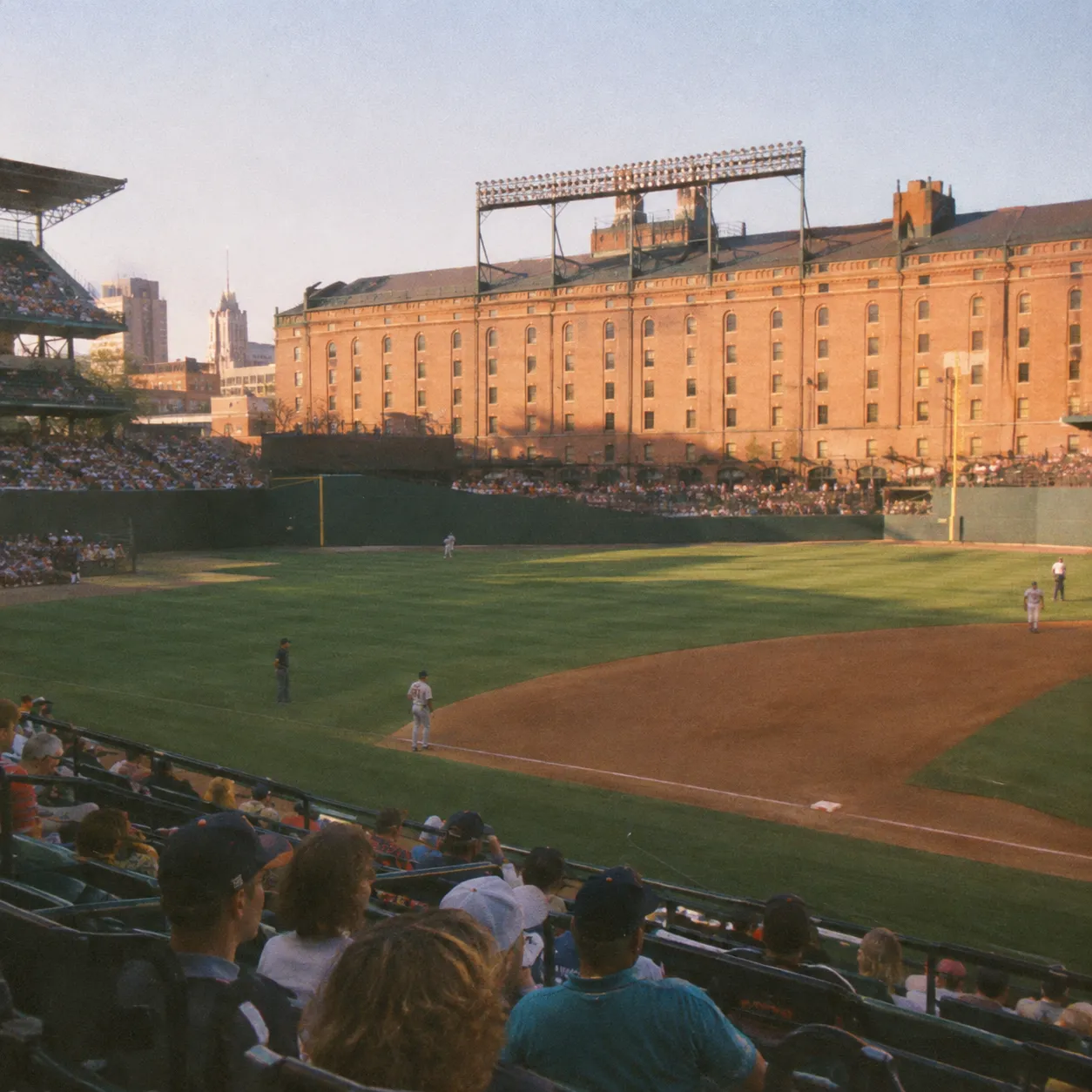
Oriole Park at Camden Yards opened on April 6, 1992, and quietly ended the concrete-bowl era.
It was built to feel like the old parks, all brick and steel and odd angles instead of a perfect circle. Almost every stadium built since has copied the recipe.
The retro ballpark you love today traces straight back to one building in Baltimore.
8. Baseball cards were stacked at every checkout
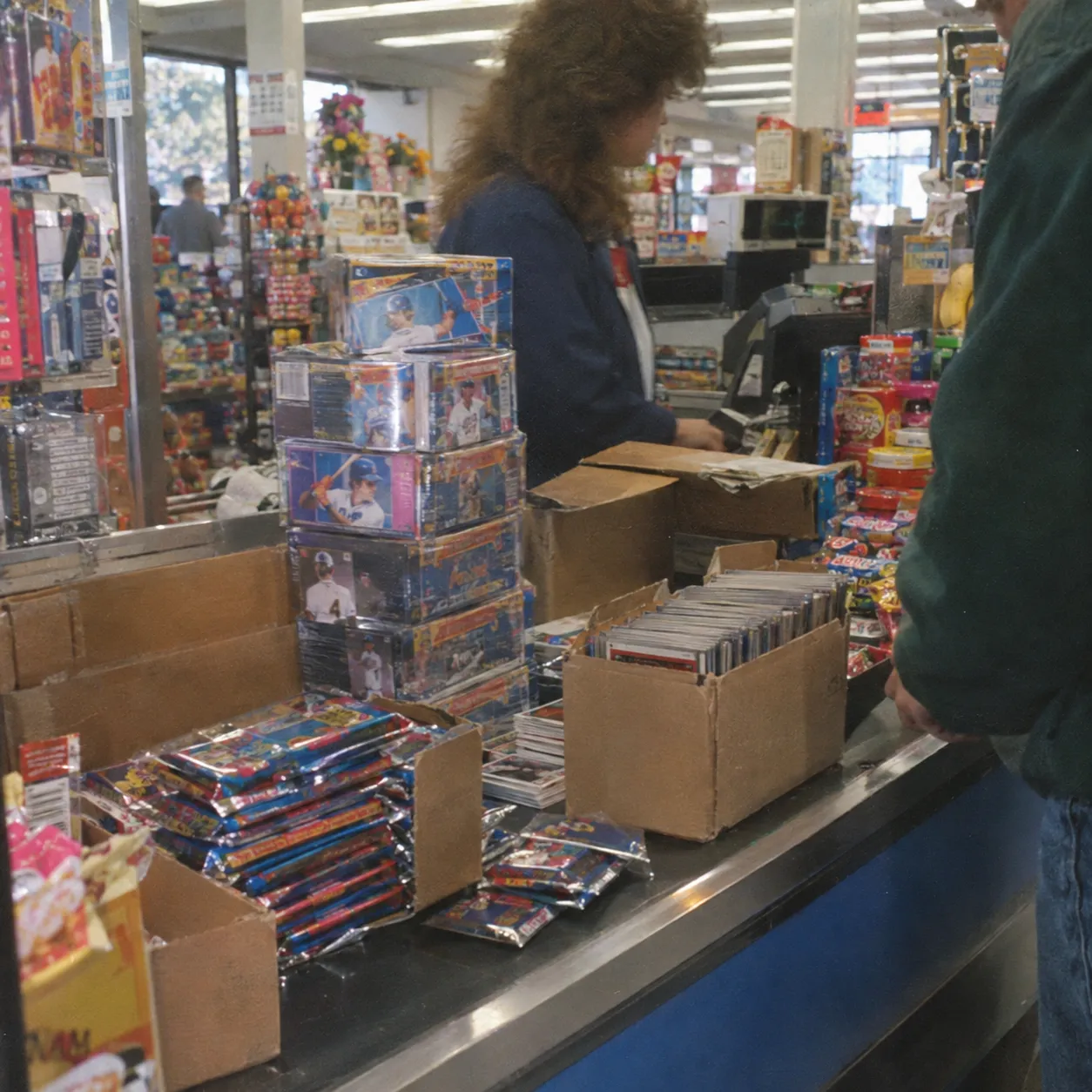
Cards weren’t rare in the ’90s, they were everywhere you looked.
This was the junk wax era, roughly 1986 to 1994, when Topps, Donruss, Fleer, Score, and Upper Deck pushed out more than a dozen major sets a year. You could grab packs at the drugstore, the gas station, even off a kid’s lemonade stand.
Everybody was sure they were printing money.
9. There was a card shop in every strip mall
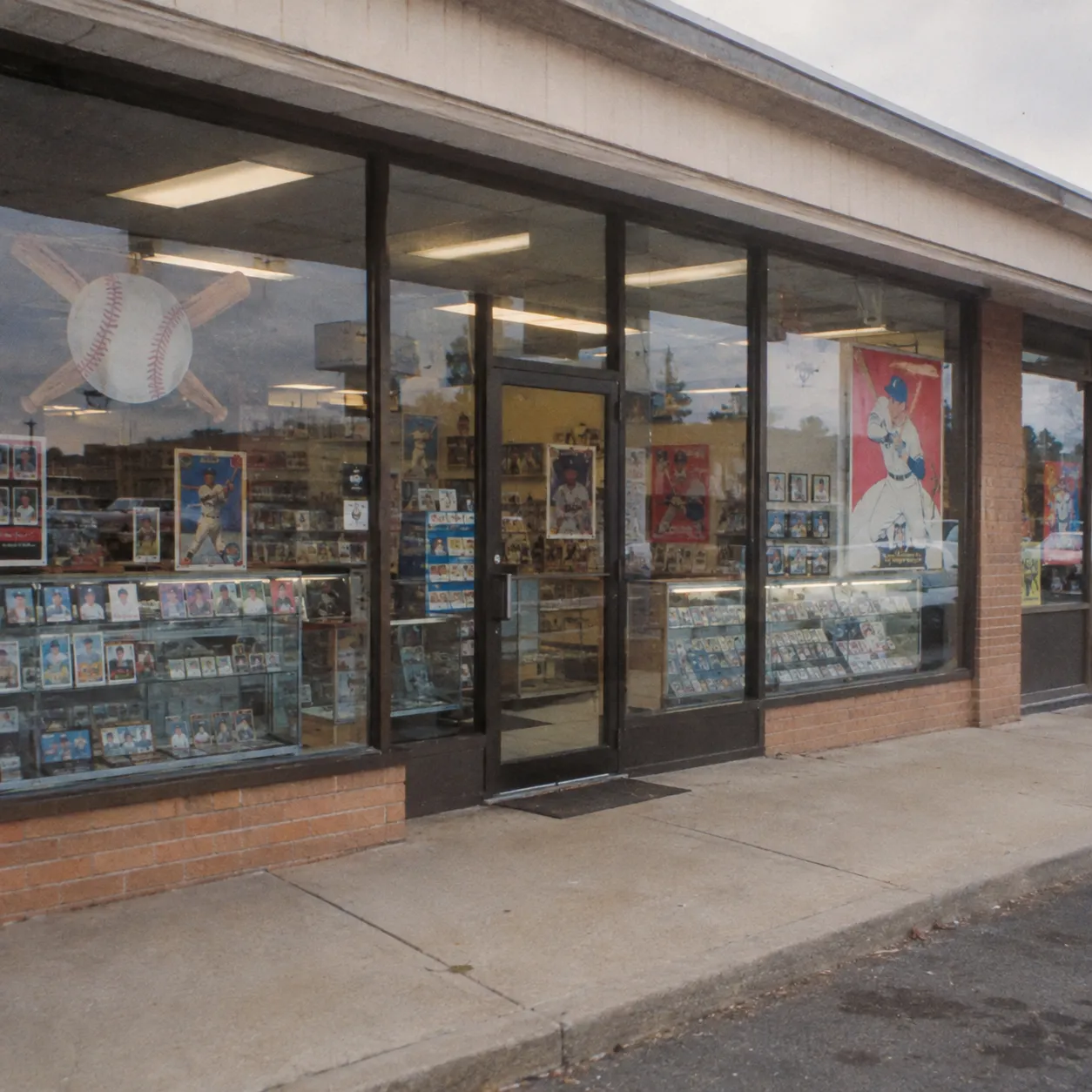
Most towns had a shop with glass cases, a price guide on the counter, and a guy who knew exactly what your rookie was worth.
Then the 1994 strike gutted the hobby and the bubble popped. Card shops fell from around 10,000 in the early ’90s to about 1,000 by the end of the decade.
So that’s your answer to “why are my old cards worthless.”
10. Starting Lineup figures owned the toy aisle
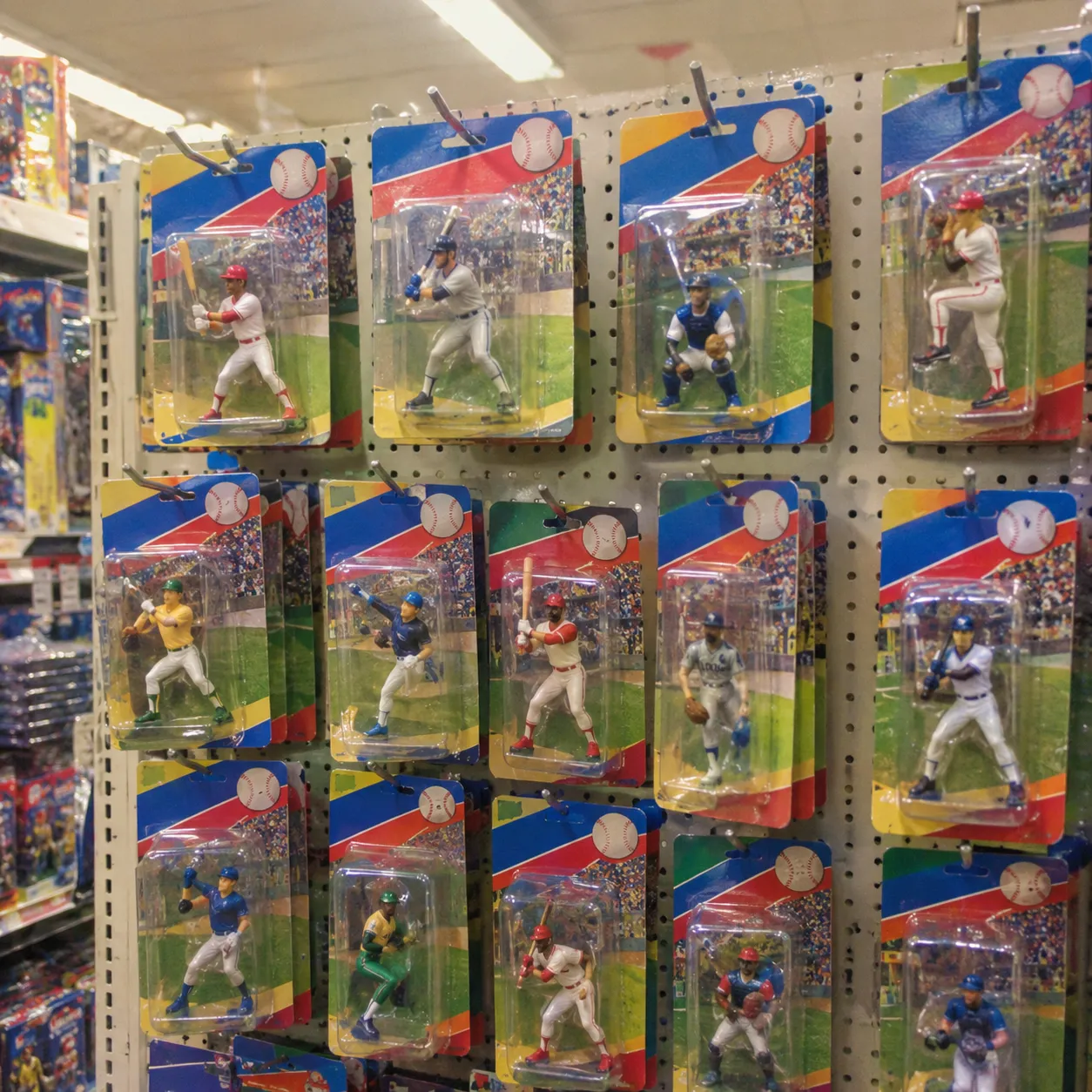
Before video games swallowed everything, kids collected little plastic ballplayers frozen mid-swing.
Kenner made Starting Lineup figures from 1988 to 2001, more than 300 of them, each packed with its own trading card. They sat in the toy aisle a few feet from the card rack.
The line folded in 2001 and took a chunk of childhood with it.
11. Stirrup socks were still standard
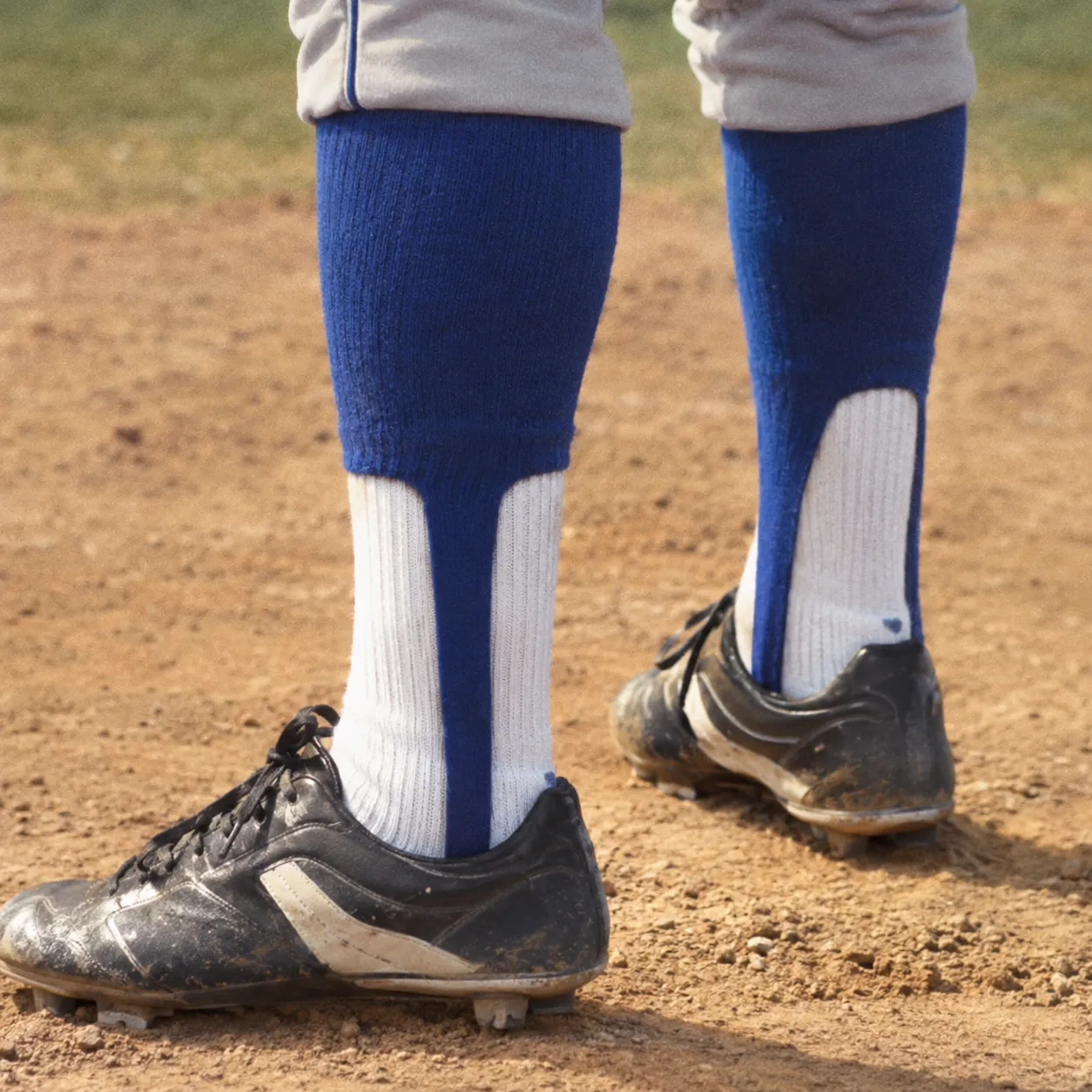
The colored loop of sock pulled over a white sanitary sock was just how a baseball leg looked.
Stirrups hung on into the early ’90s and then faded fast as players wore their pants all the way down to the shoe. By the end of the decade the high stirrup was basically gone.
They’ve crept back a little lately, which is its own kind of full circle.
12. Cleats only came in team colors
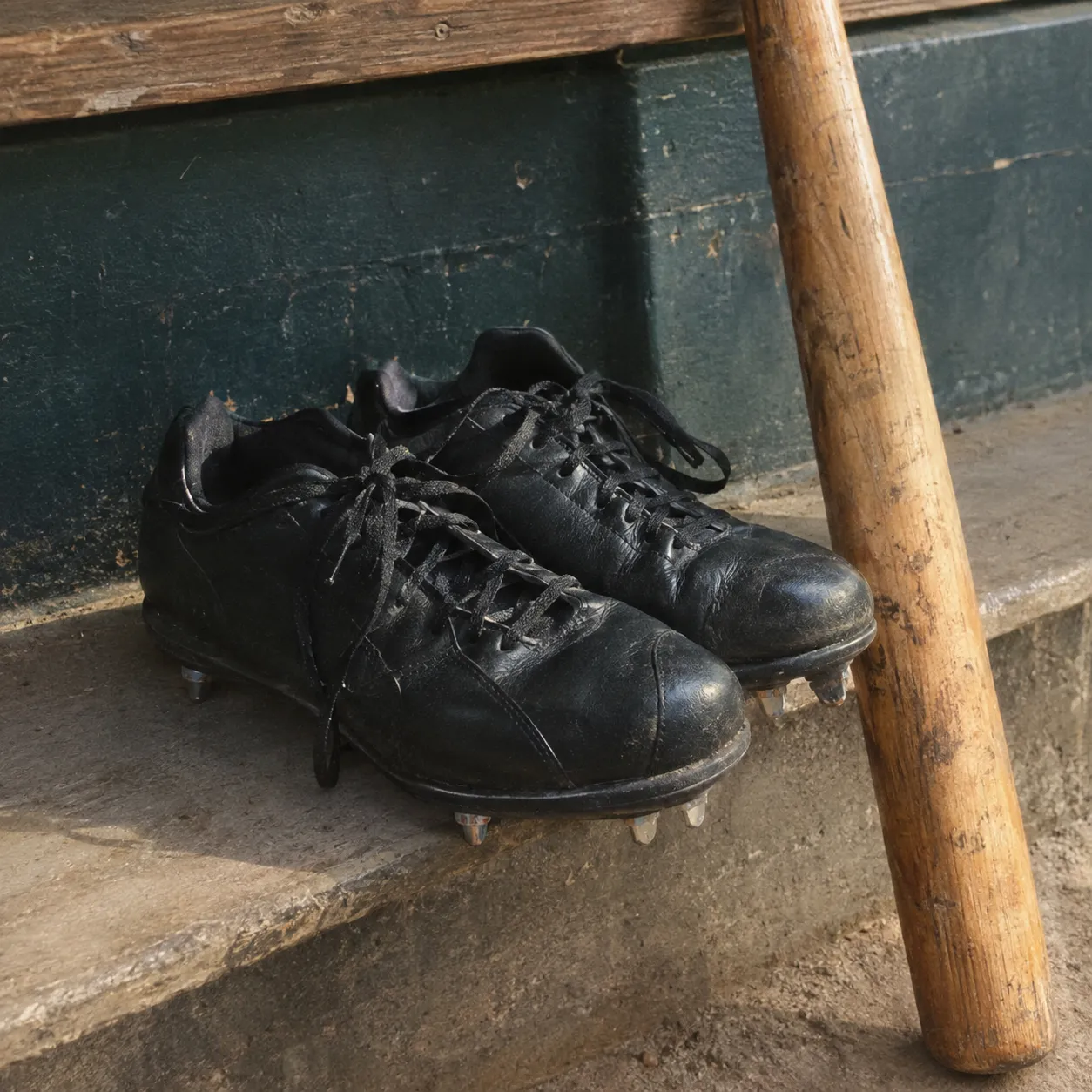
A player’s shoes had to be mostly his team’s colors, by rule.
The wild custom cleats you see now, the neon, the personal logos, the tribute designs, none of that was allowed. MLB didn’t loosen the so-called 51 percent rule until 2019.
Back then everyone’s feet matched.
13. Teal and purple were everywhere
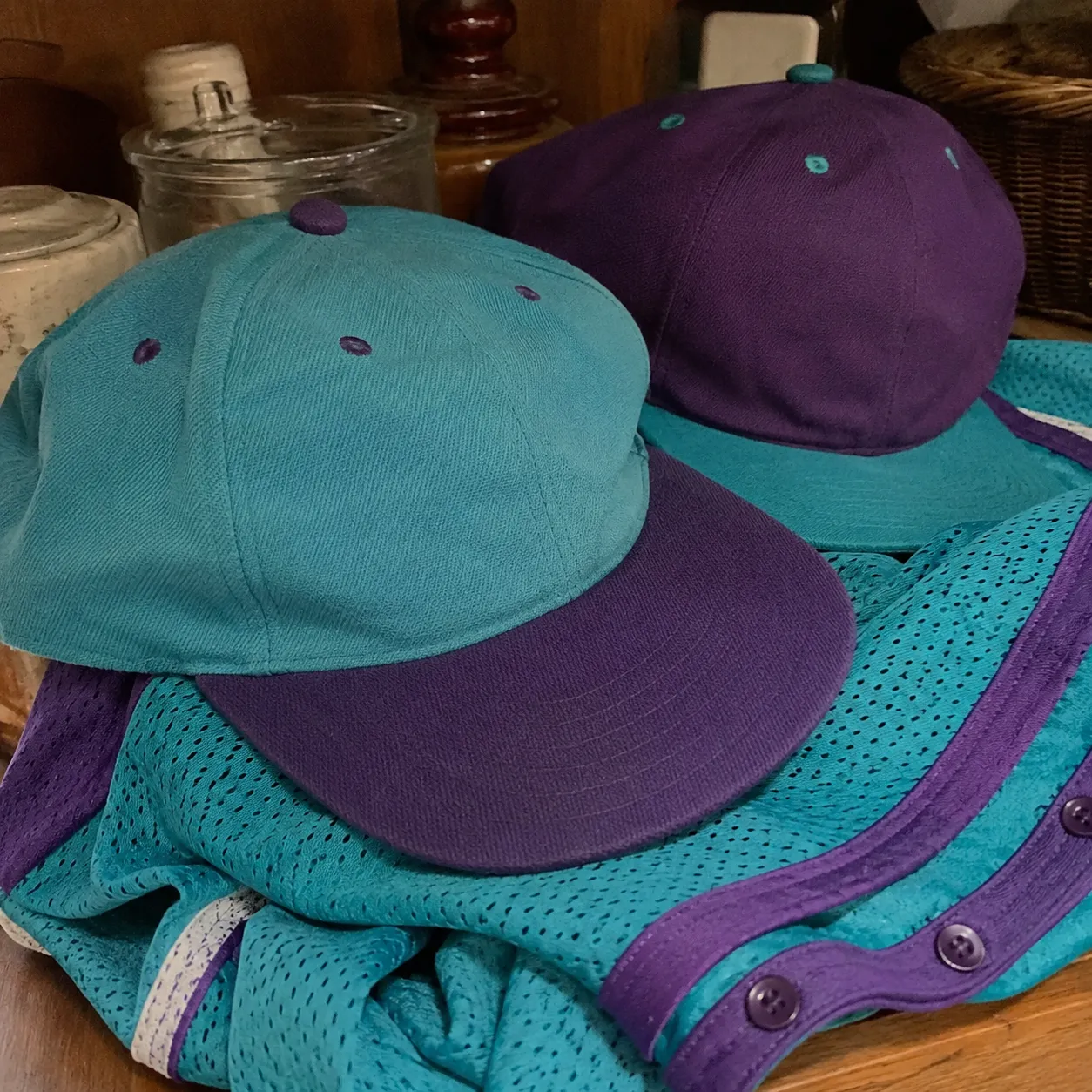
Somewhere in the early ’90s the sport went a little wild for teal.
The expansion clubs leaned hard into teal and purple, colors that scream 1990s the second you see them. Scan a current uniform lineup and those shades have all but vanished.
It was a whole aesthetic, and it didn’t survive the decade by much.
14. Tobacco was right there on camera
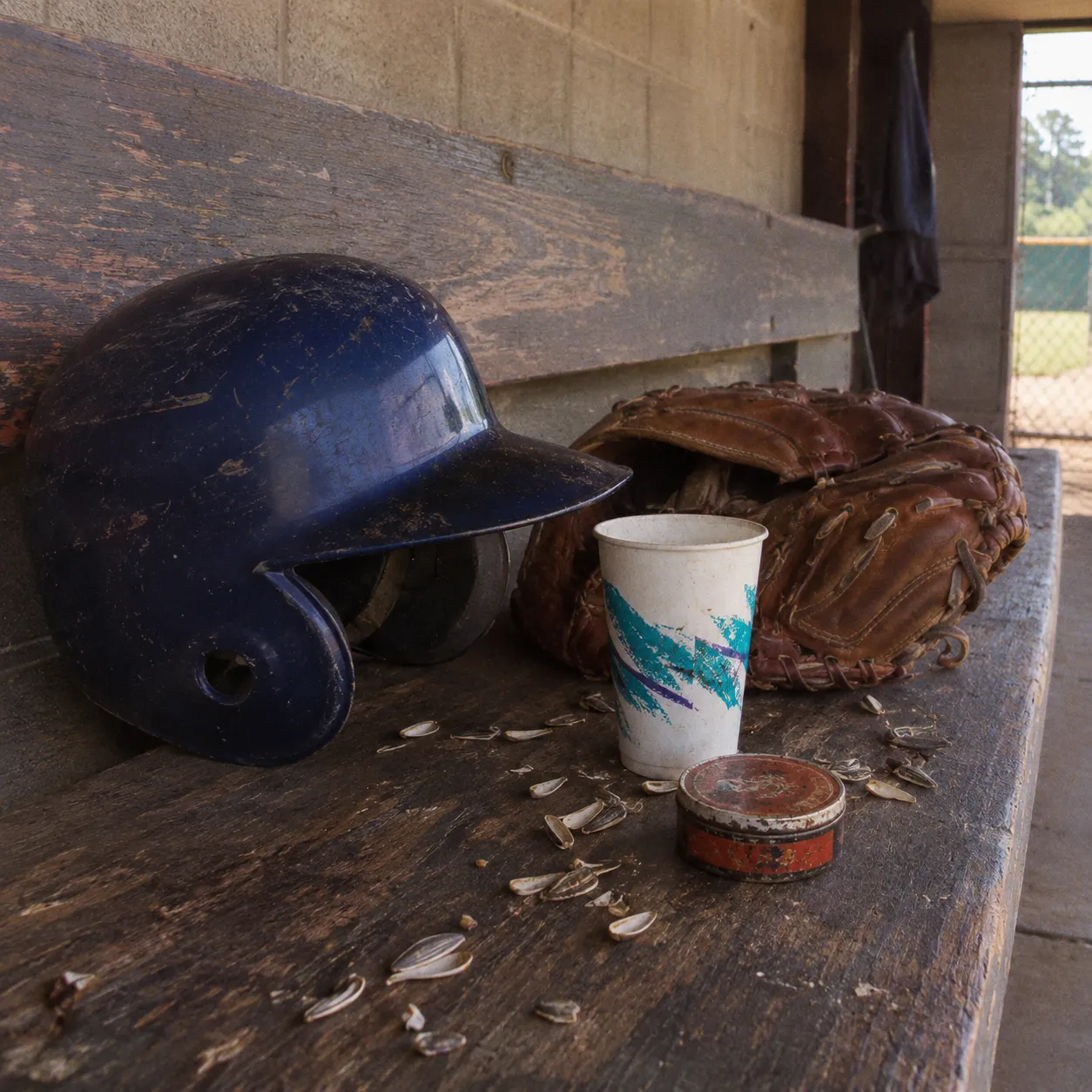
A cheek packed with chew was a normal thing to catch on a broadcast.
Smokeless tobacco was common and completely visible through the ’90s. The minors banned it in 1993, but big leaguers used it freely, and the ban on new players didn’t land until the 2016 labor deal.
You don’t see the round tin ring worn into a back pocket anymore, and that’s for the better.
15. The organ ran the soundtrack, not a hype song
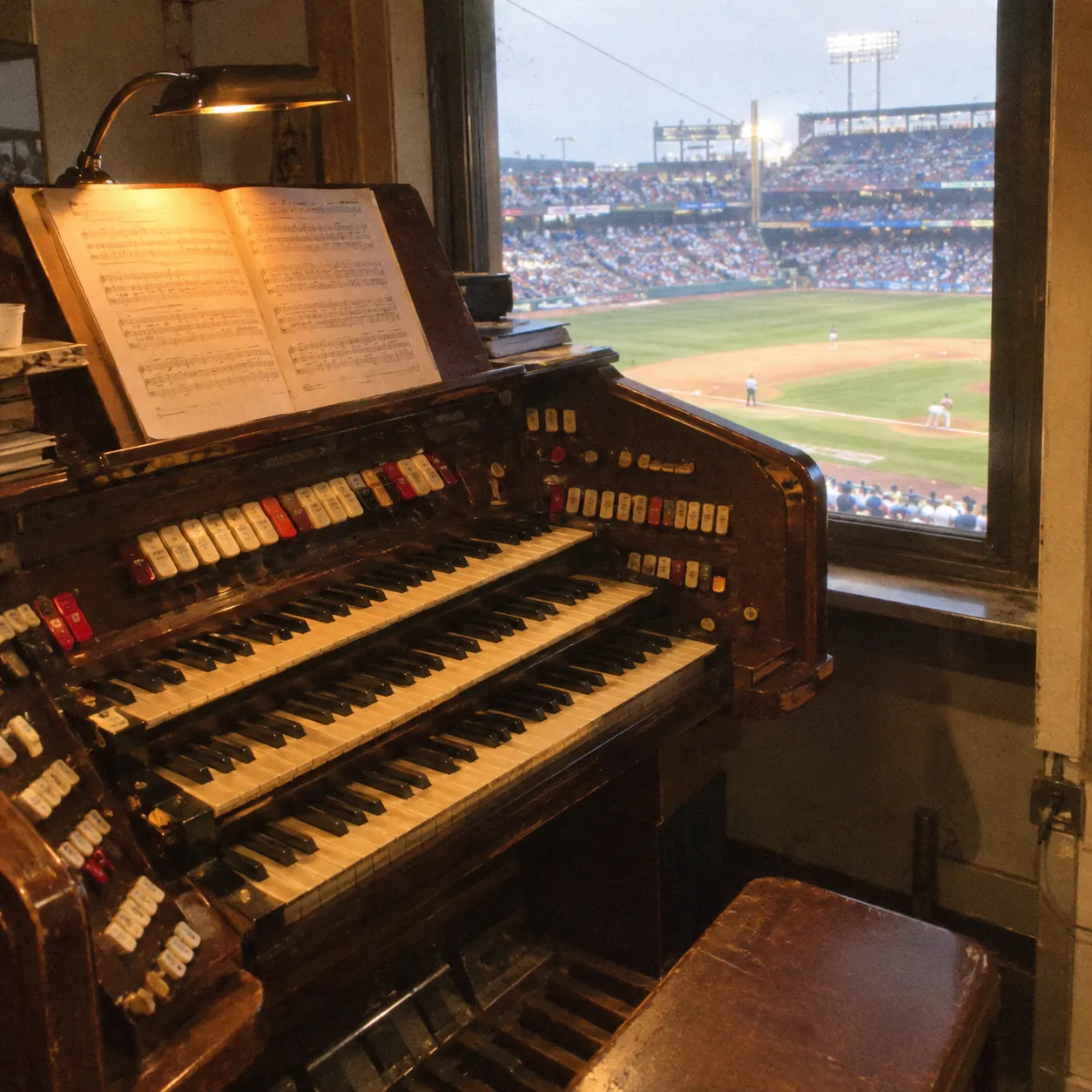
Between pitches you heard a live organ, not a hitter’s personal entrance track.
The custom walk-up song really starts with Derek Jeter asking for Montell Jordan’s “This Is How We Do It” at Yankee Stadium in June 1995. Before that, the ballpark organist set the mood all game long.
16. Your ticket was a paper stub you kept
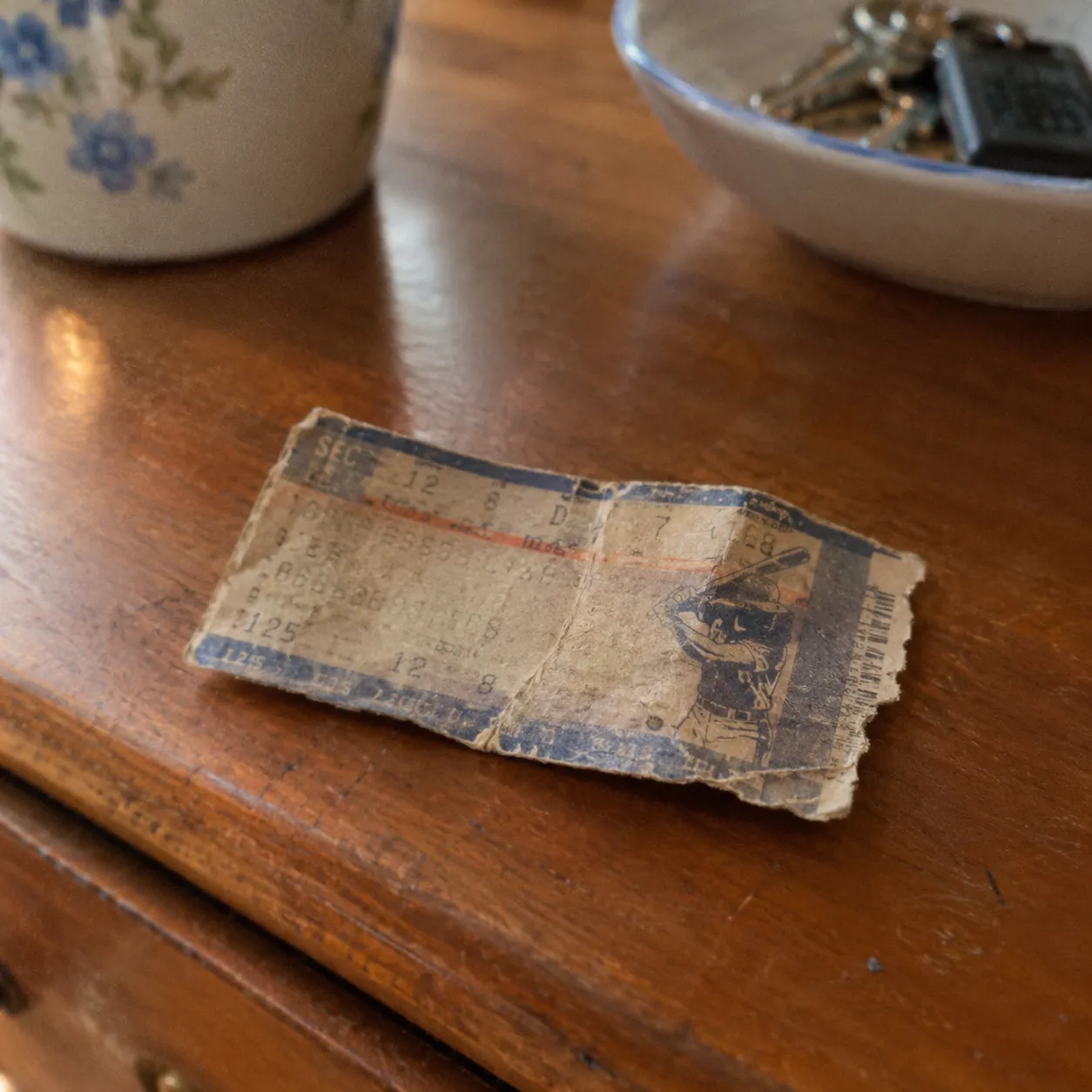
You bought a real ticket at a real window and shoved the stub in a drawer at home.
No screenshots, no QR codes, no phone-battery panic at the turnstile. The stub was a keepsake, proof you were there.
I still turn up a few in old jacket pockets.
17. You could actually get close to the players
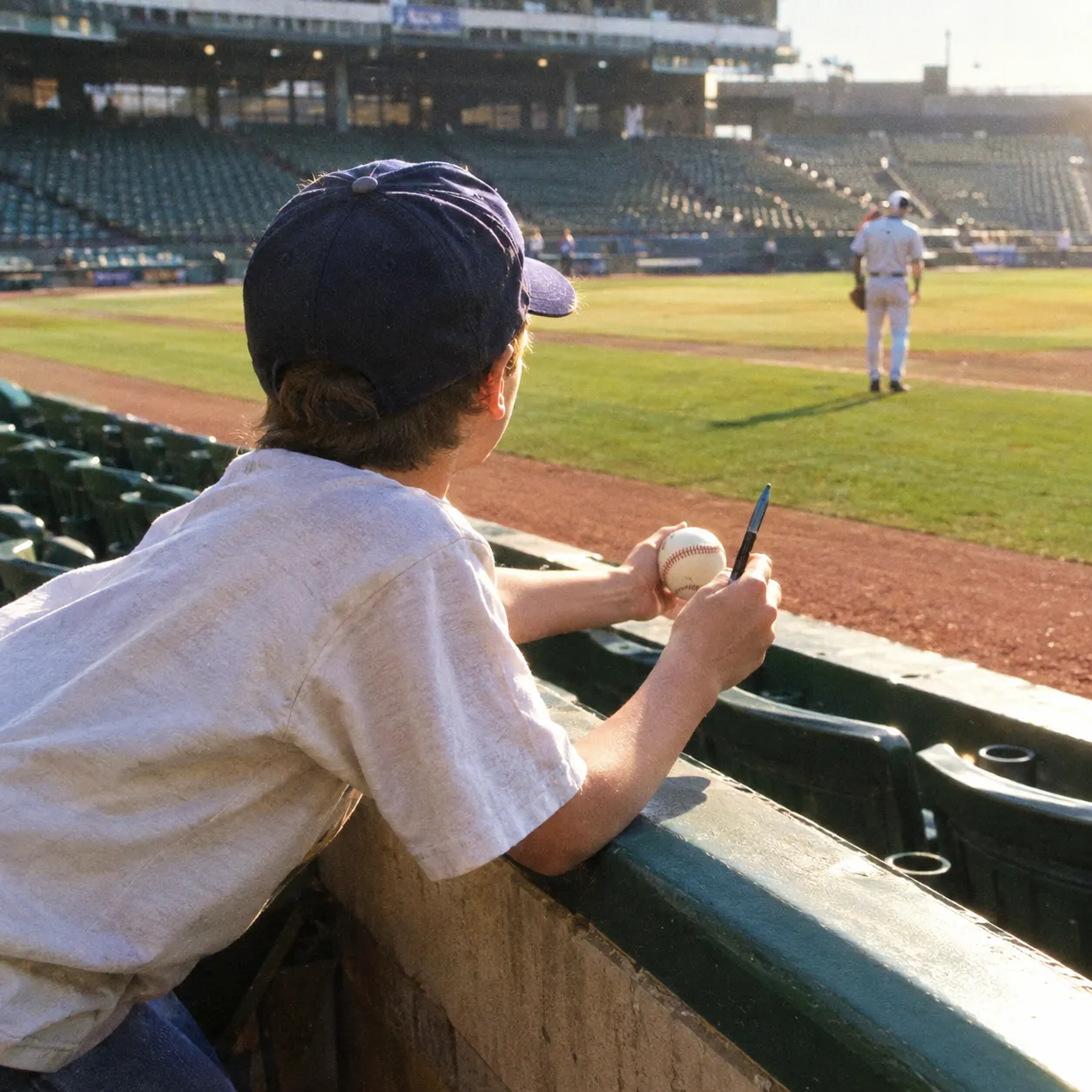
Snagging a foul ball or a rail-side autograph felt like a normal outcome, not a lottery win.
Players tossed balls into the seats and signed along the baseline before games, no wall of security in between. The whole park felt less locked down than it does now.
Show up early and you had a real shot at going home with something.
18. Two brand-new teams showed up in 1993
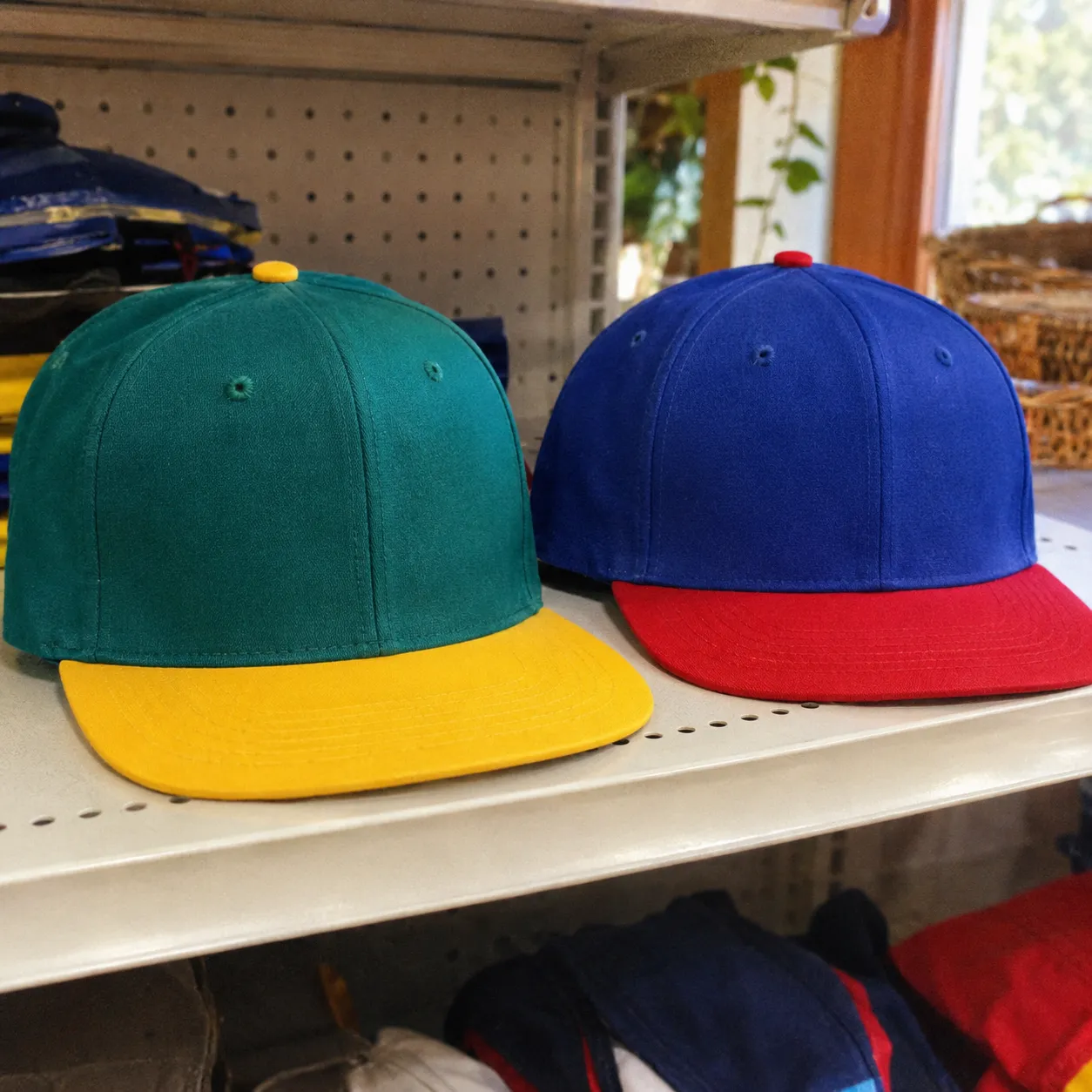
The Colorado Rockies and Florida Marlins joined the National League in 1993, stocked through an expansion draft.
That November 1992 draft was the first time both leagues had to leave players unprotected. Suddenly there were two more caps on the shelf and two more names in the standings.
19. And two more arrived in 1998, the last ones we’ve gotten
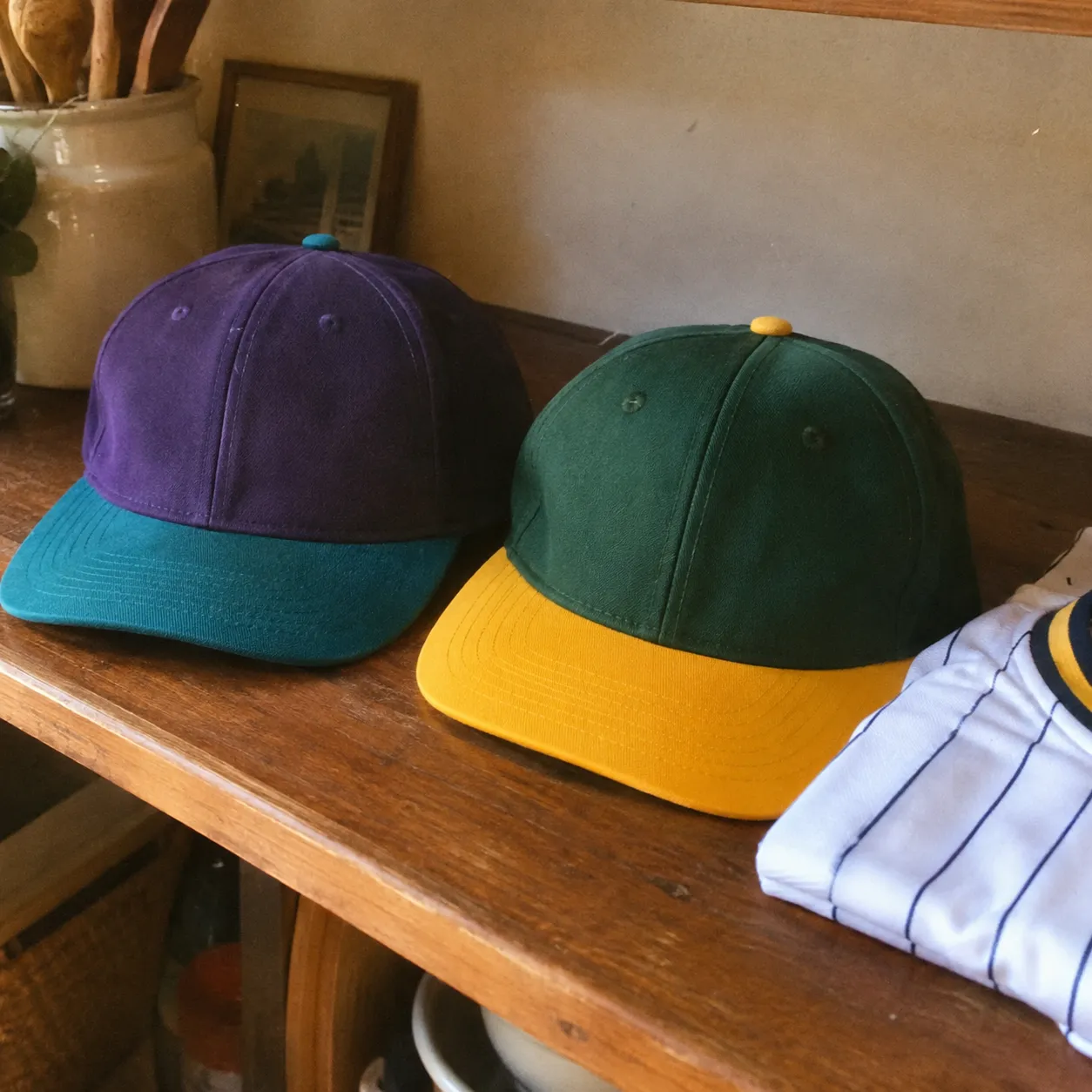
The Arizona Diamondbacks and Tampa Bay Devil Rays showed up in 1998 and closed the book on expansion.
No new franchise has joined since. So the ’90s handed us the four most recent teams in Major League Baseball, which feels impossible until you sit down and count.
The decade quietly rewrote the rulebook
Here’s the thing about all of it. None of these changes announced themselves.
The socks got longer, the cards stopped being worth anything, and a shiny new ballpark opened while the old ones started to look tired. Nobody rang a bell.
If you grew up on ’90s baseball, you didn’t really watch the era end. You glanced up years later and realized it already had.