 Written by Mark Bailey
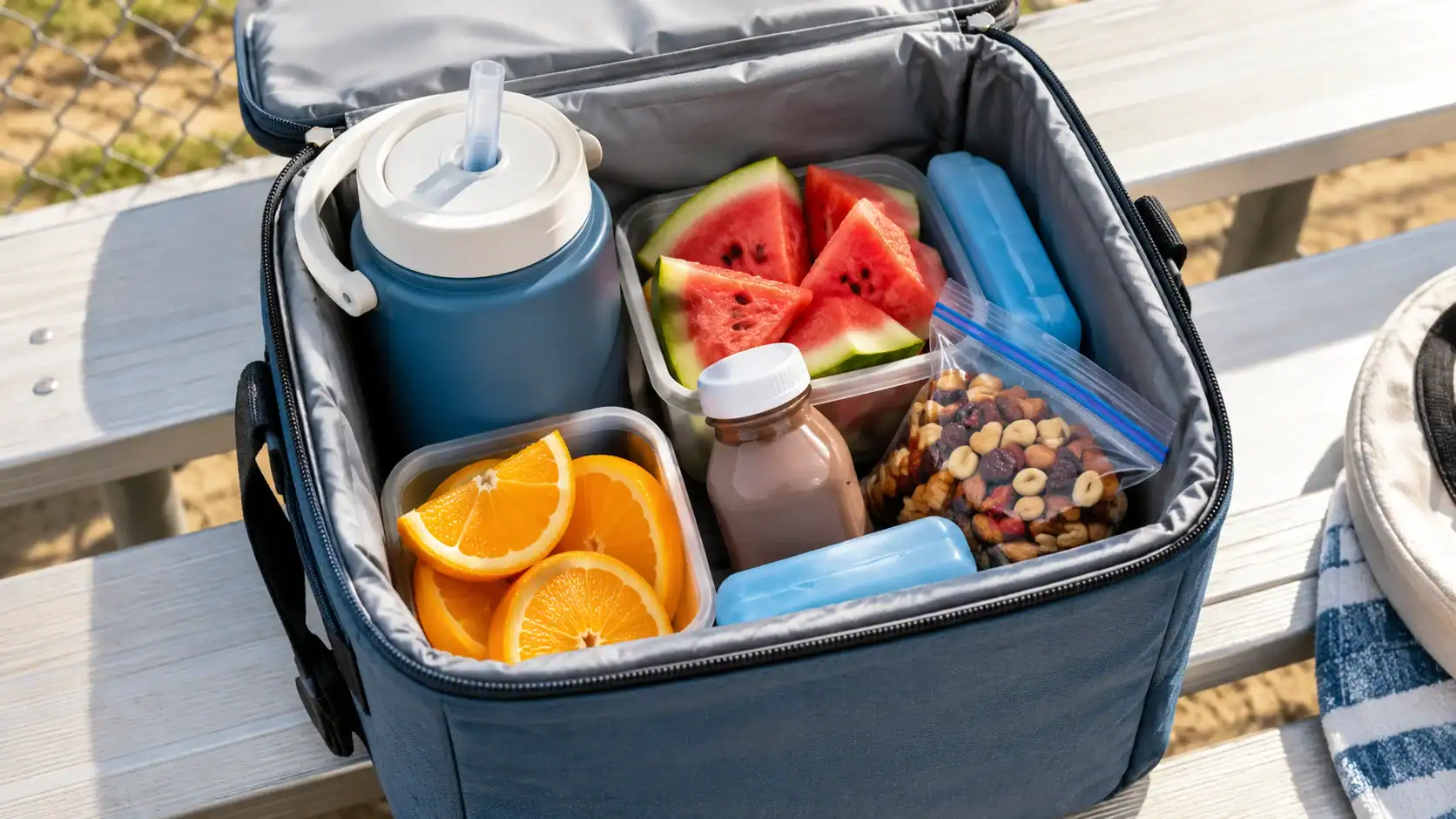
Half the pull of an energy drink is the can itself, that crack and fizz in the parking lot.
The other half is a tired teen hitting the afternoon slump right before practice.
We’ve worked through both in our house, between the van, the bat bag and the kitchen counter.
The American Academy of Pediatrics’ 2011 report says the caffeine and other stimulants in energy drinks have no place in kids’ and teens’ diets.
These 15 ideas cover drinks for thirst, snacks for hungry afternoons and a sleep habit for tired teens, along with what I’d skip as an everyday swap.
What fits your teen’s day, from the kitchen counter to the ride home?
1. A Big Insulated Water Jug That’s Theirs Alone
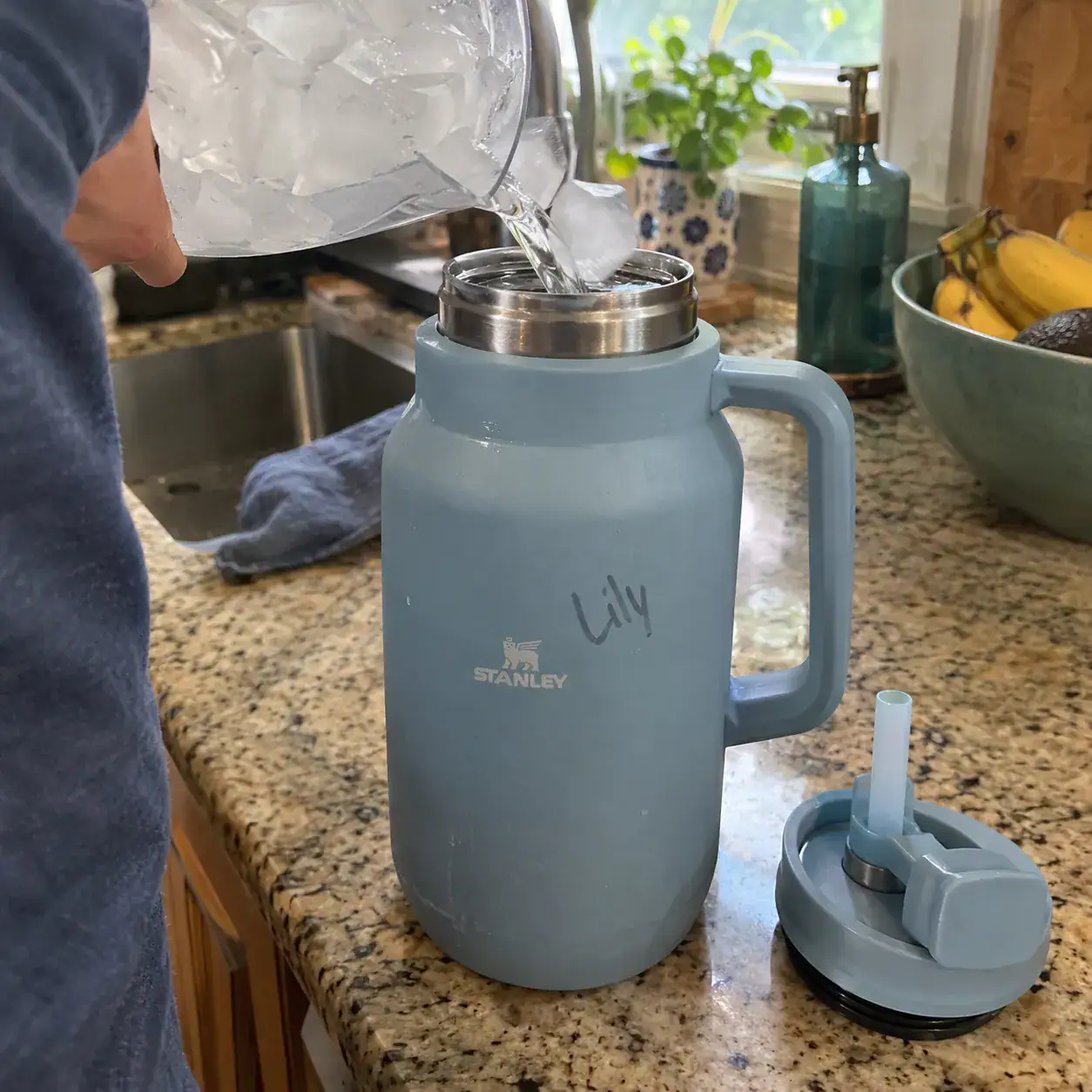
The best change we made was giving each kid a half-gallon insulated jug with a straw lid and their name on it in paint marker.
Nobody wants to drink from a mystery bottle that’s been rolling around the van.
Here’s the trick: add ice and cold water to the jug in the morning.
Ours cost somewhere around $20 to $35 each, and they’ve survived two seasons of being dropped on asphalt.
2. Cold Water With Fruit or a Splash of Juice
Some kids just don’t like the taste of plain water, and our oldest is one of them.
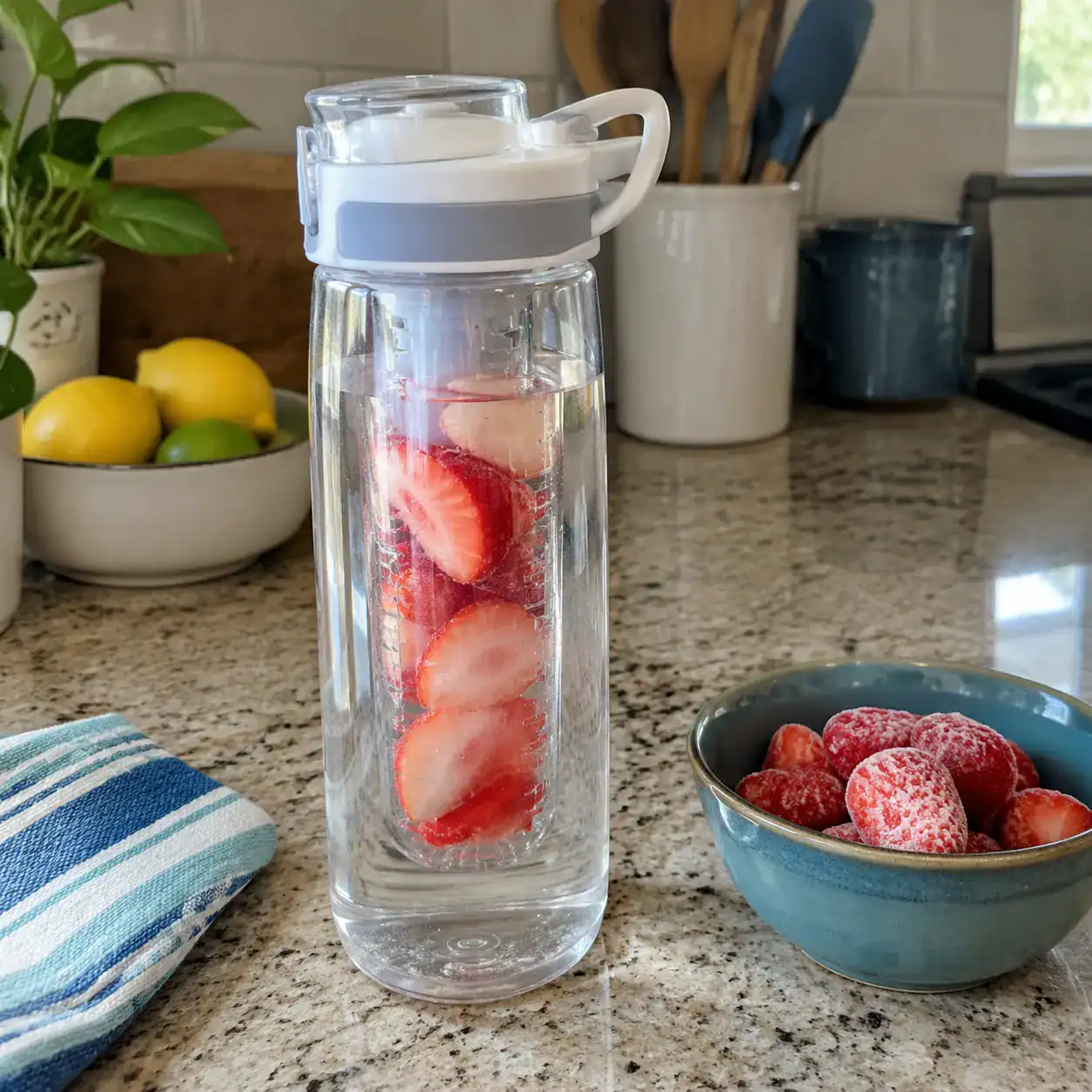
CHOC Children’s says flavored drinks are acceptable if your child won’t drink water, so we stopped fighting it. An infuser bottle with strawberries or lemon slices works, and so does a small splash of juice.
My favorite hack is freezing fruit pieces on a tray and using them as ice. They chill the water and flavor it as they thaw.
3. Watermelon Wedges in the Ballpark Cooler
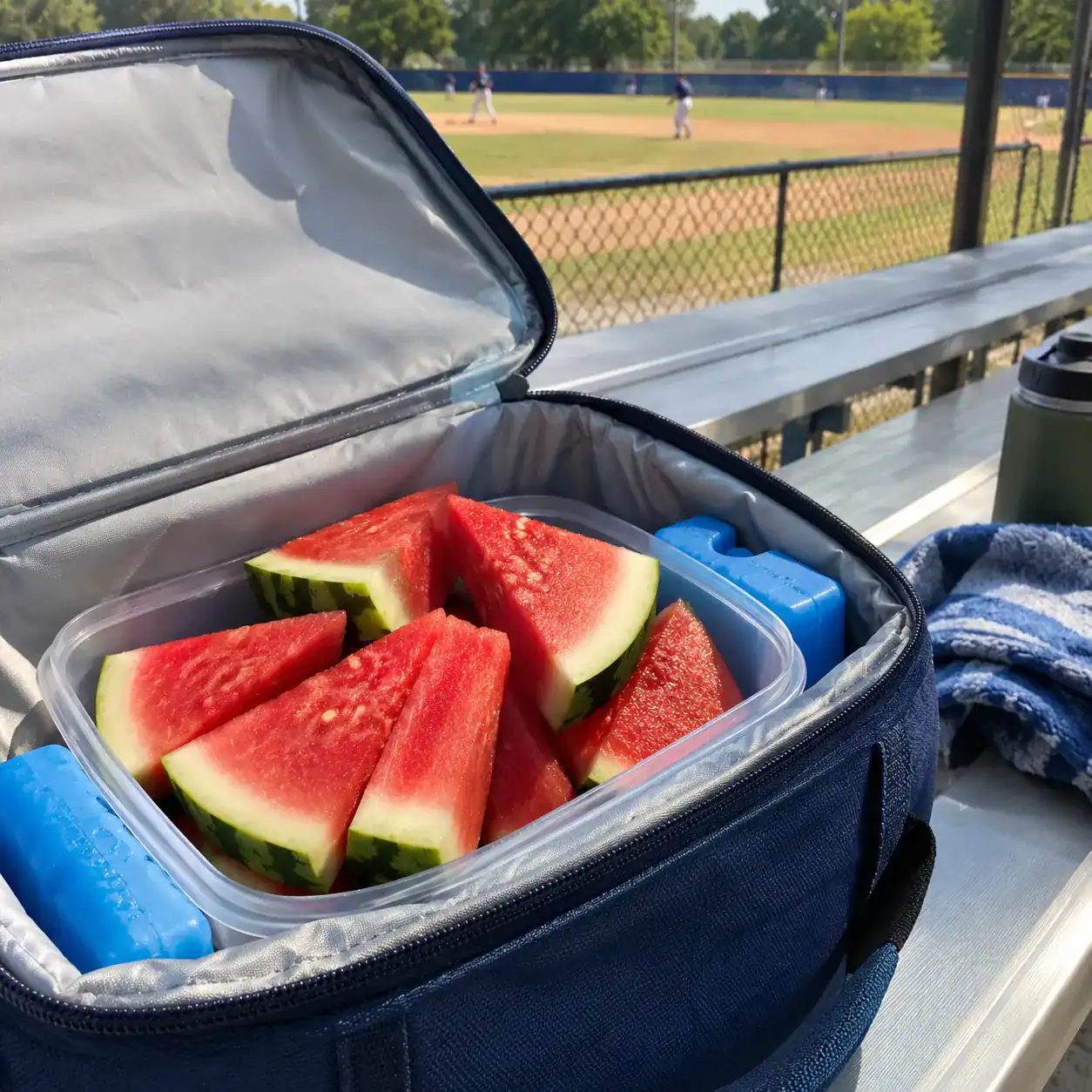
On tournament weekends, watermelon is the first thing to disappear from our cooler.
I cut skinny wedges with the rind on so the kids can eat with one hand.
It all rides in a soft-sided cooler with reusable ice packs. My husband raids it from the bleachers before the kids get a turn.
4. Chocolate Milk After a Hard Workout
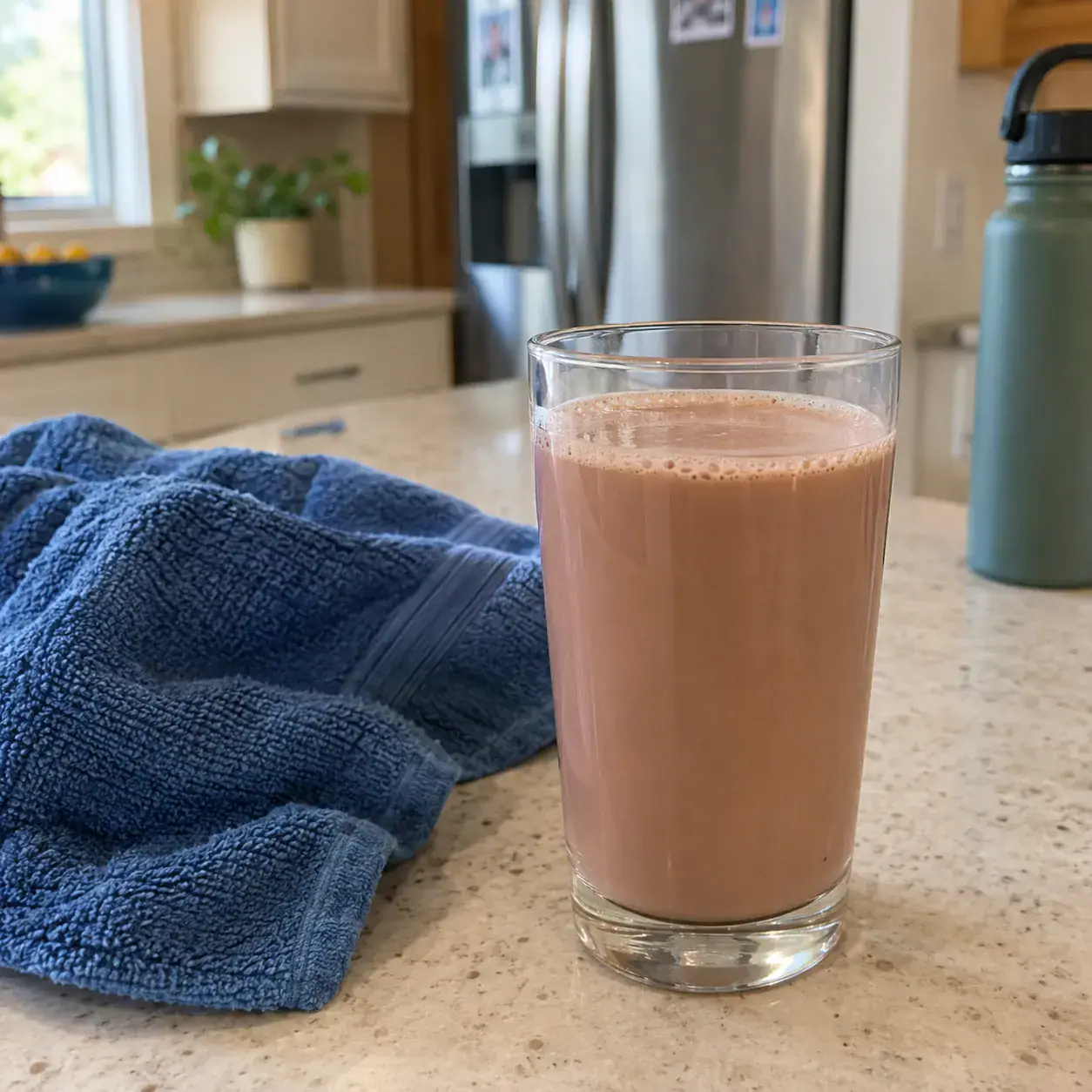
After a hard workout, we reach for chocolate milk from the fridge.
One dairy-funded study of high school athletes supports it as a recovery option, but that’s limited evidence, not a promise of better performance.
Just know chocolate milk isn’t caffeine-free. Health Canada lists 8 mg in an 8-ounce glass.
5. Apple Slices With Peanut Butter
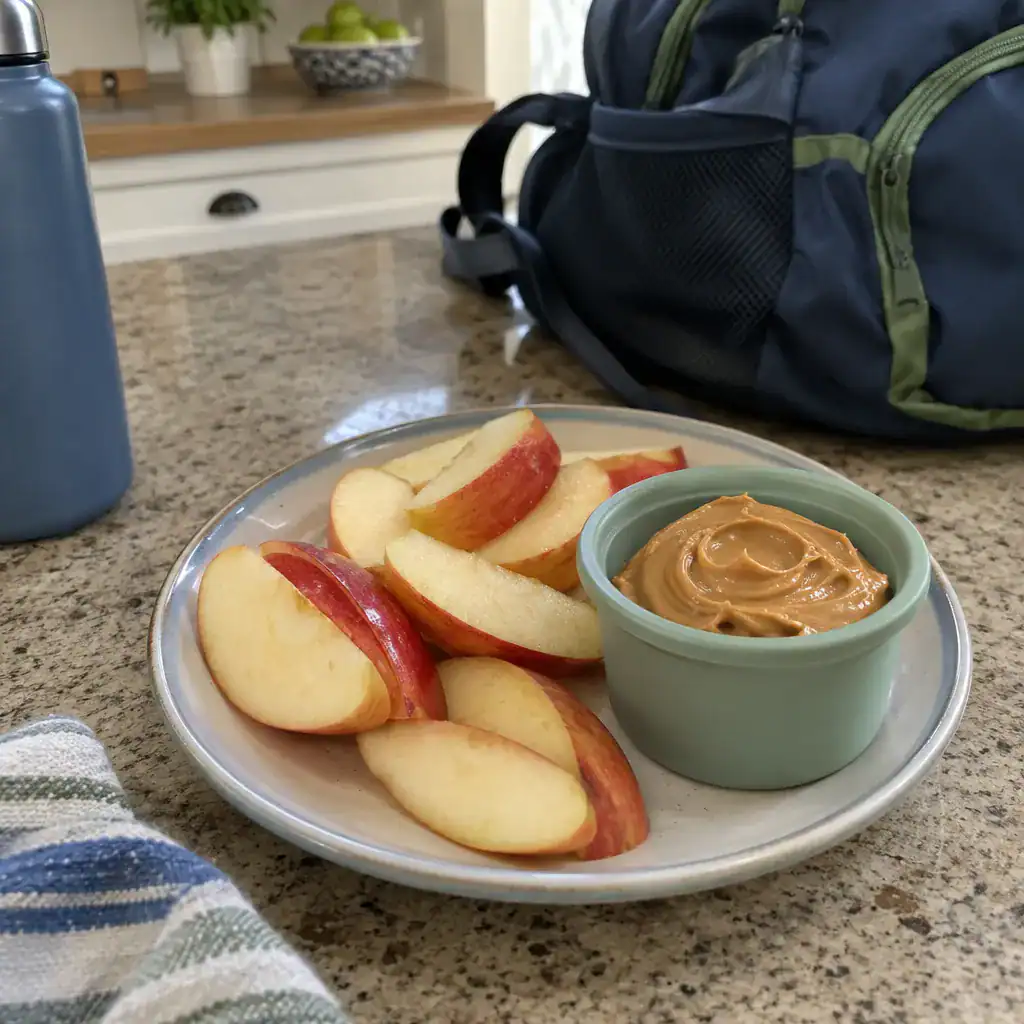
This is the snack that gets our oldest from the bus to practice without a gas station stop.
Single-serve nut butter cups make it portable, and any nut or seed butter your house already uses works the same way.
6. Orange Slices at the Game
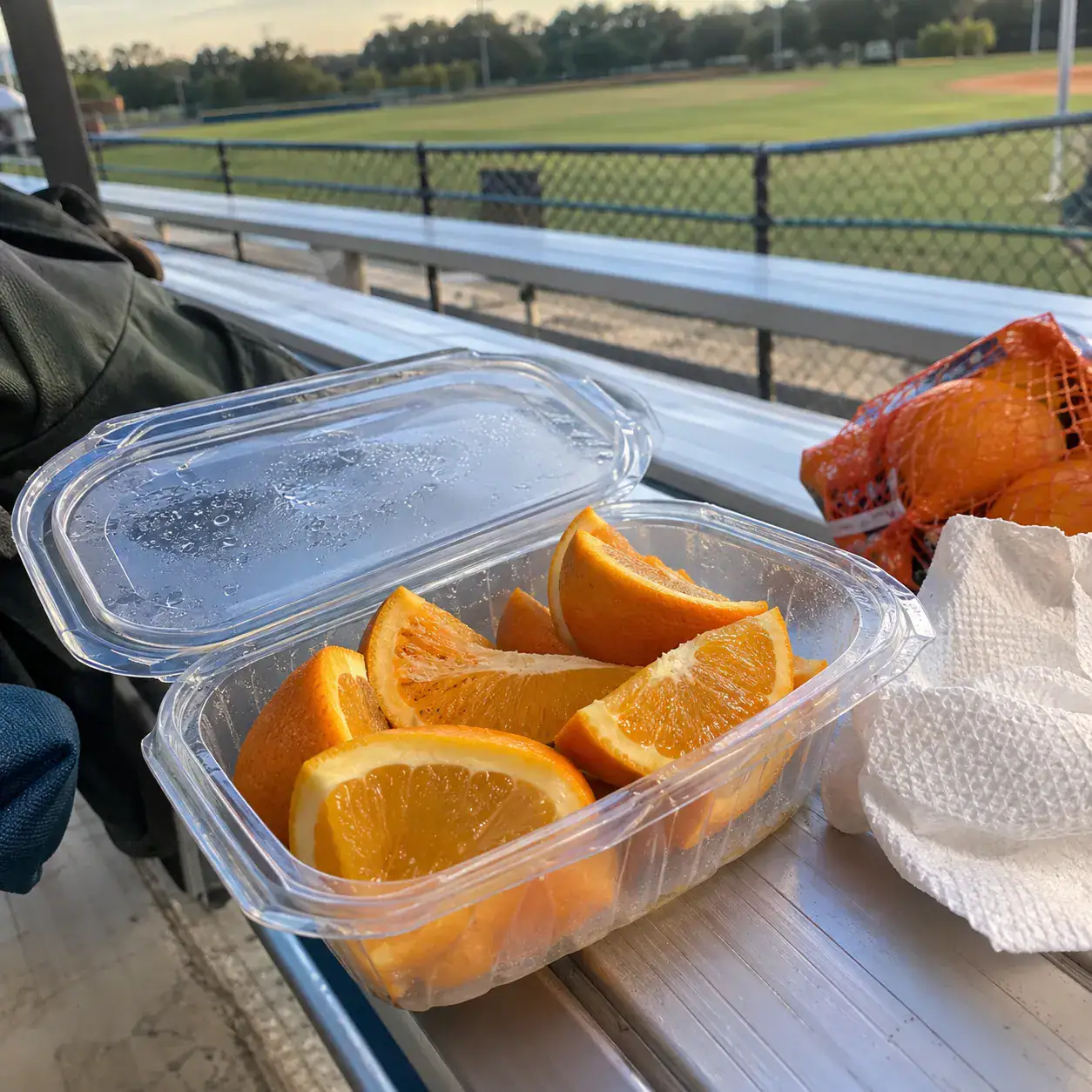
Orange slices are the youth sports snack I’d keep even if every other parent switched to cookies.
When it’s our turn on the snack rotation, I cut a bag of oranges into wedges and pack them in a big lidded container. Kids eat them in two bites, and the parents in the stands grab a few too.
Bring paper towels and a bag for the peels.
7. Yogurt Parfait With Granola and Berries
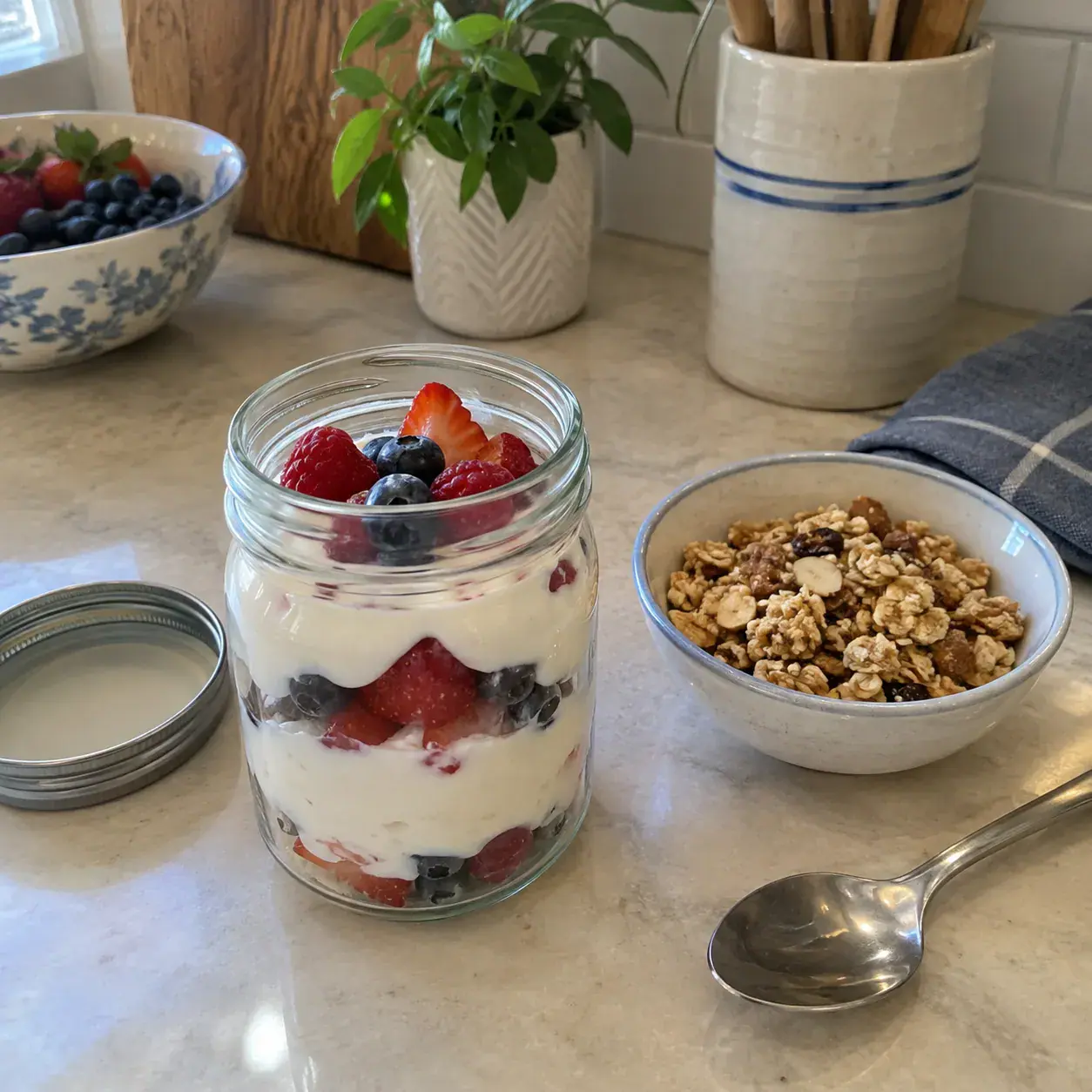
A yogurt parfait feels like a treat, and our oldest eats one standing at the counter before morning games.
The make-ahead trick is keeping the granola separate until it’s time to eat, so it stays crunchy.
I layer yogurt and berries in small lidded jars the night before. In the morning it’s pour, stir and out the door.
8. Skip Sports Drinks as the Everyday Swap
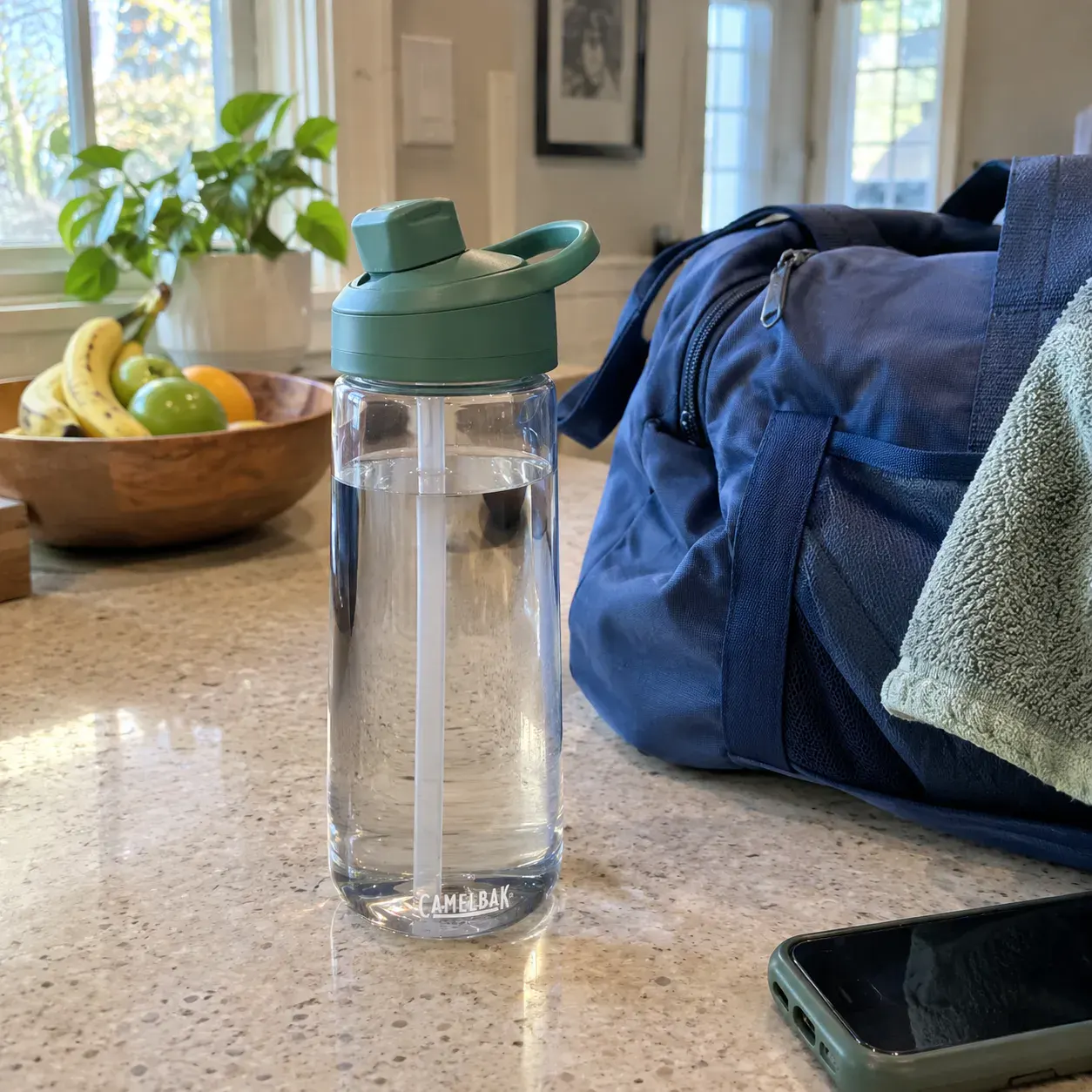
Everyone suggests sports drinks as the easy energy drink replacement, and for regular practice I’d skip them.
They’re a different product from energy drinks, with a real job. KidsHealth says they may help teens doing vigorous activity that lasts longer than an hour, and CHOC says much the same.
For a normal practice, KidsHealth says water before, during and after keeps most teens hydrated. We save sports drinks for the long, hard days, which in a Virginia summer are usually hot ones too.
9. Trail Mix in the Bat Bag
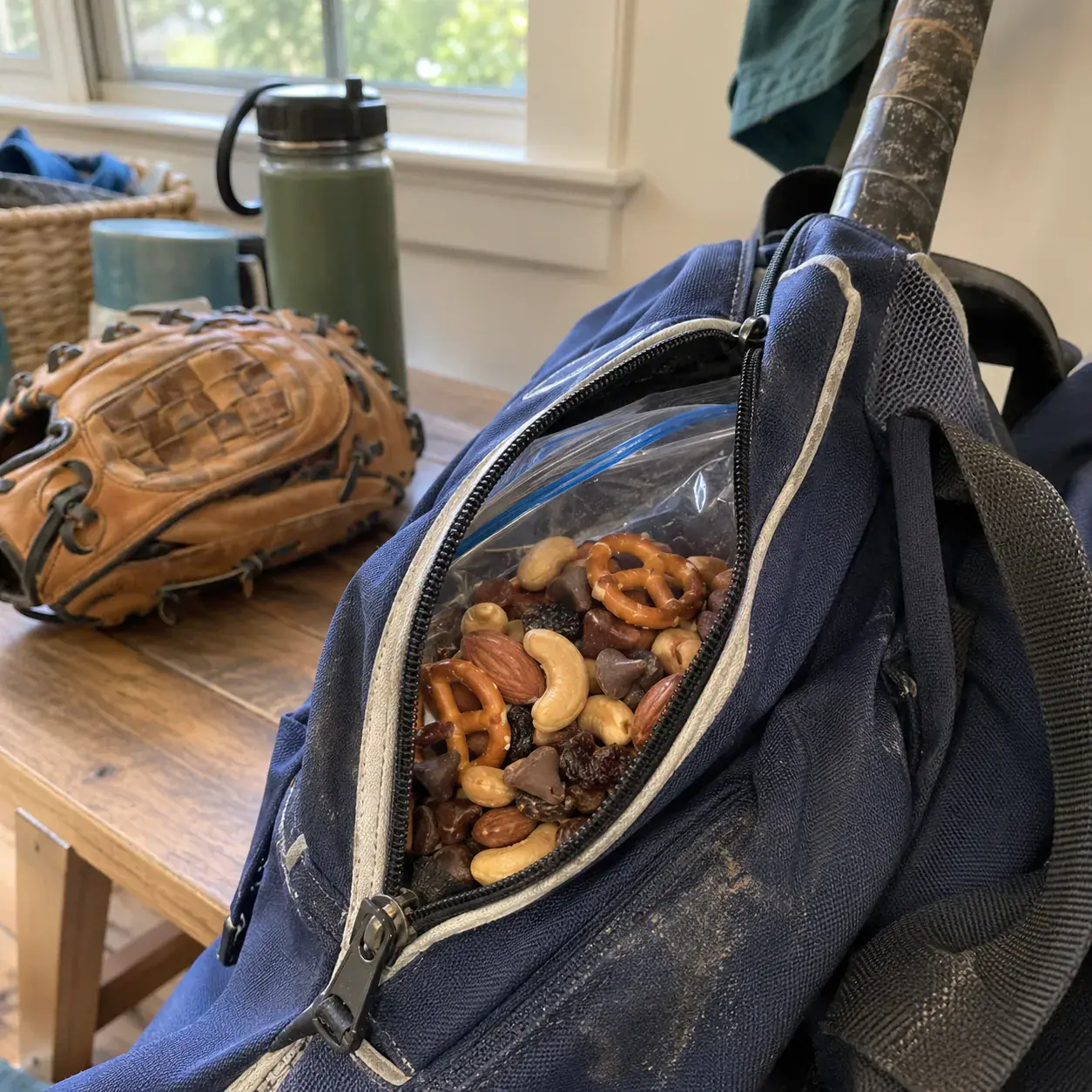
Every bat bag in our house has a small bag of trail mix zipped into the side pocket for tournament weekends.
I buy the ingredients in bulk and mix our own: nuts, pretzels, raisins and a handful of chocolate chips.
Reusable snack bags hold up better than flimsy zip bags at the bottom of a bat bag. When I pack extra for teammates, I make a nut-free batch, since someone usually can’t have them.
10. A Fruit-and-Yogurt Smoothie Before School or Practice
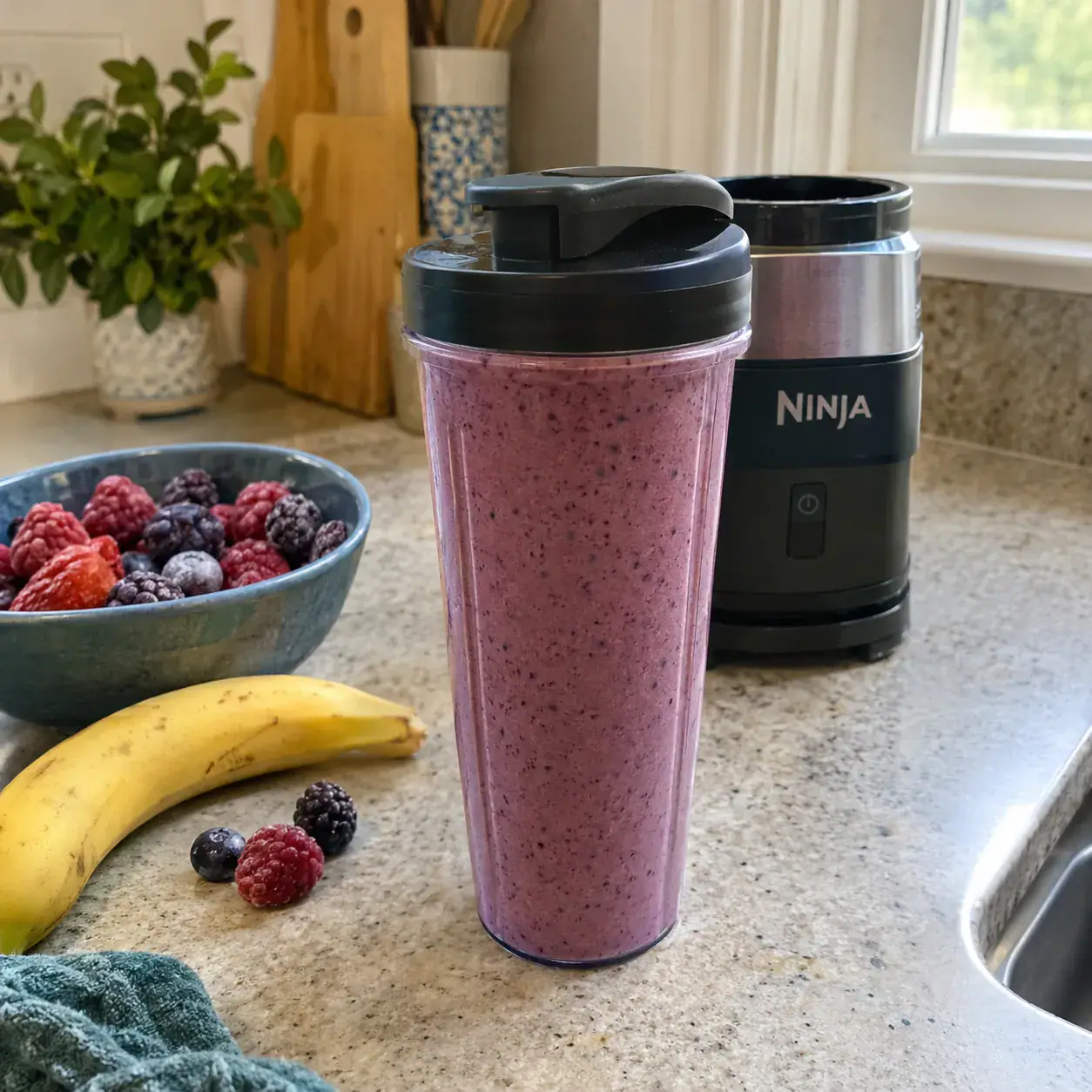
A smoothie is how we get breakfast into a 14-year-old who claims not to be hungry before school.
Frozen fruit, some yogurt and a splash of milk go into a personal blender cup, and the cup doubles as the travel mug. Frozen banana makes it thick without ice.
It takes less time than the drive-thru line.
11. Mini Deli Sandwiches Between Doubleheader Games
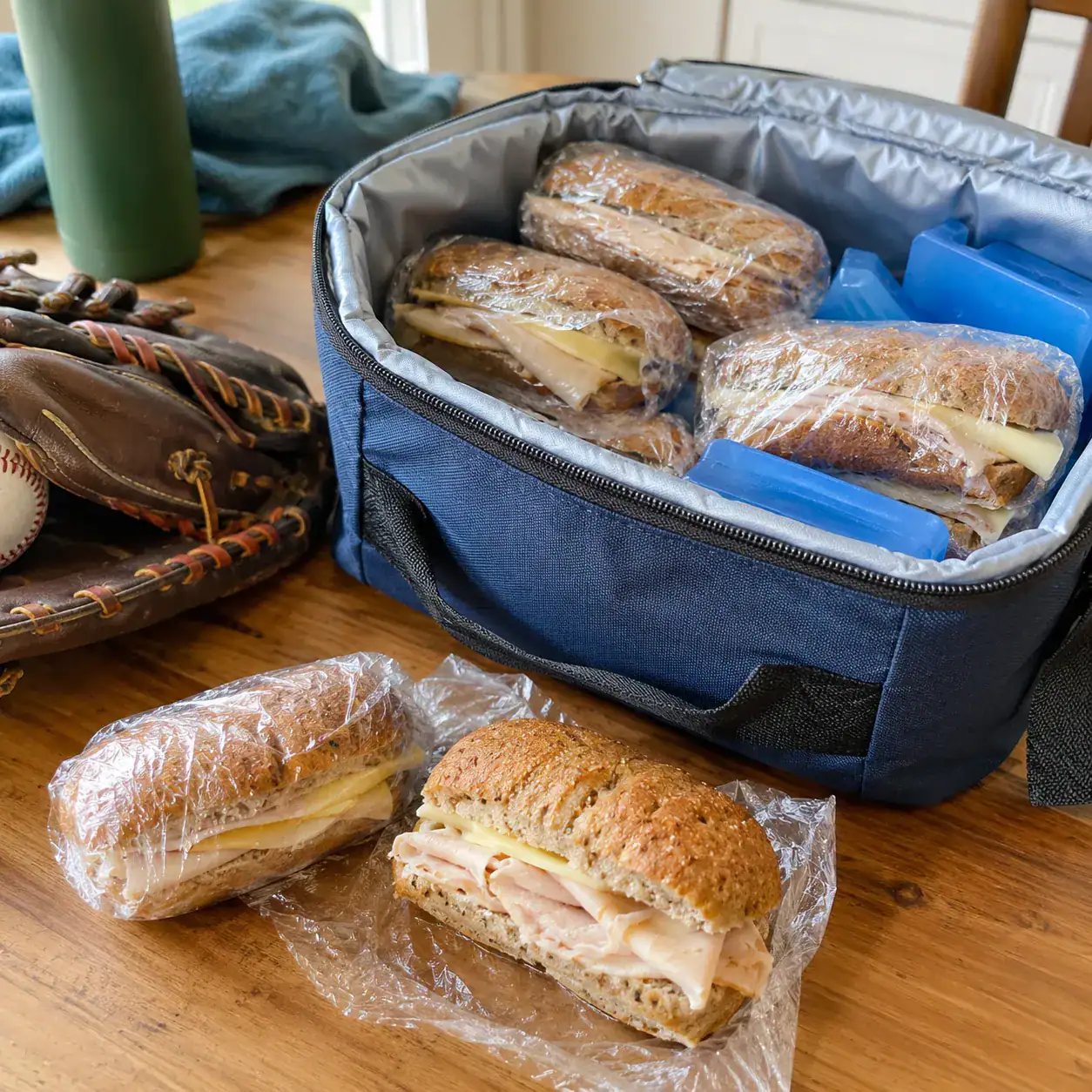
Between games of a doubleheader, our crew wants real food, and mini deli sandwiches are what I pack.
I use small whole wheat rolls with turkey or ham and cheese, each wrapped and stacked on ice packs. Cracker stackers do the same job on rushed days.
A sports dietitian writing for USA Swimming suggests protein and carbohydrates together after activity, and that’s what these are. For more ideas on feeding a crowd at the field, the Game Day Kitchen section of the Fun Pack has plenty.
12. Caffeine-Free Iced Herbal Tea
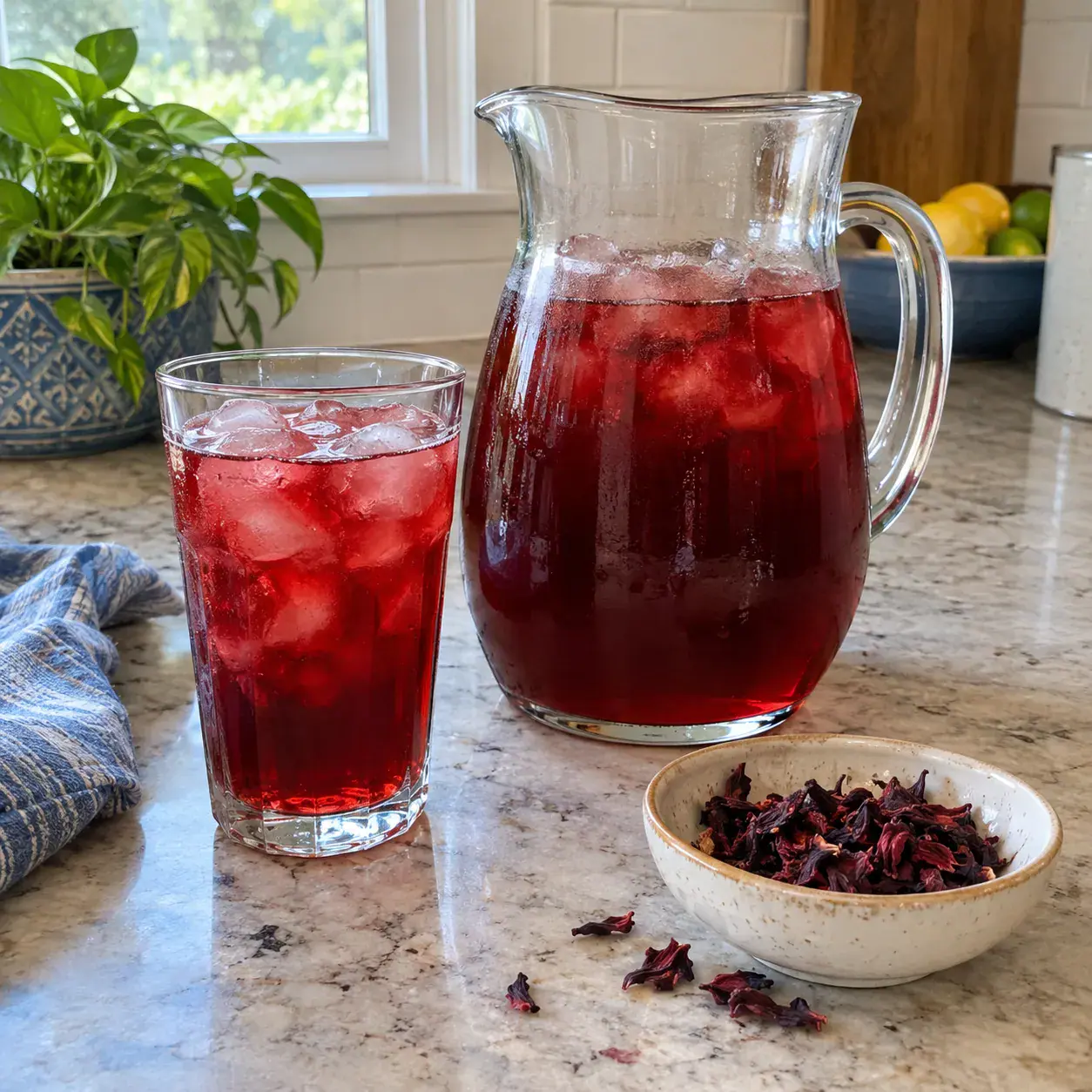
For the kid who wants something that tastes like a grown-up drink, iced herbal tea brewed at home works.
Check the box for the words “caffeine-free.” Health Canada lists regular black and green tea at about 30 to 50 mg of caffeine in an 8-ounce cup.
We use a cold-brew pitcher: drop in a few tea bags, fill it with water and leave it in the fridge overnight. Add a splash of juice if your teen wants it sweeter.
13. Applesauce Pouches and Pretzels in the Dugout Snack Bag
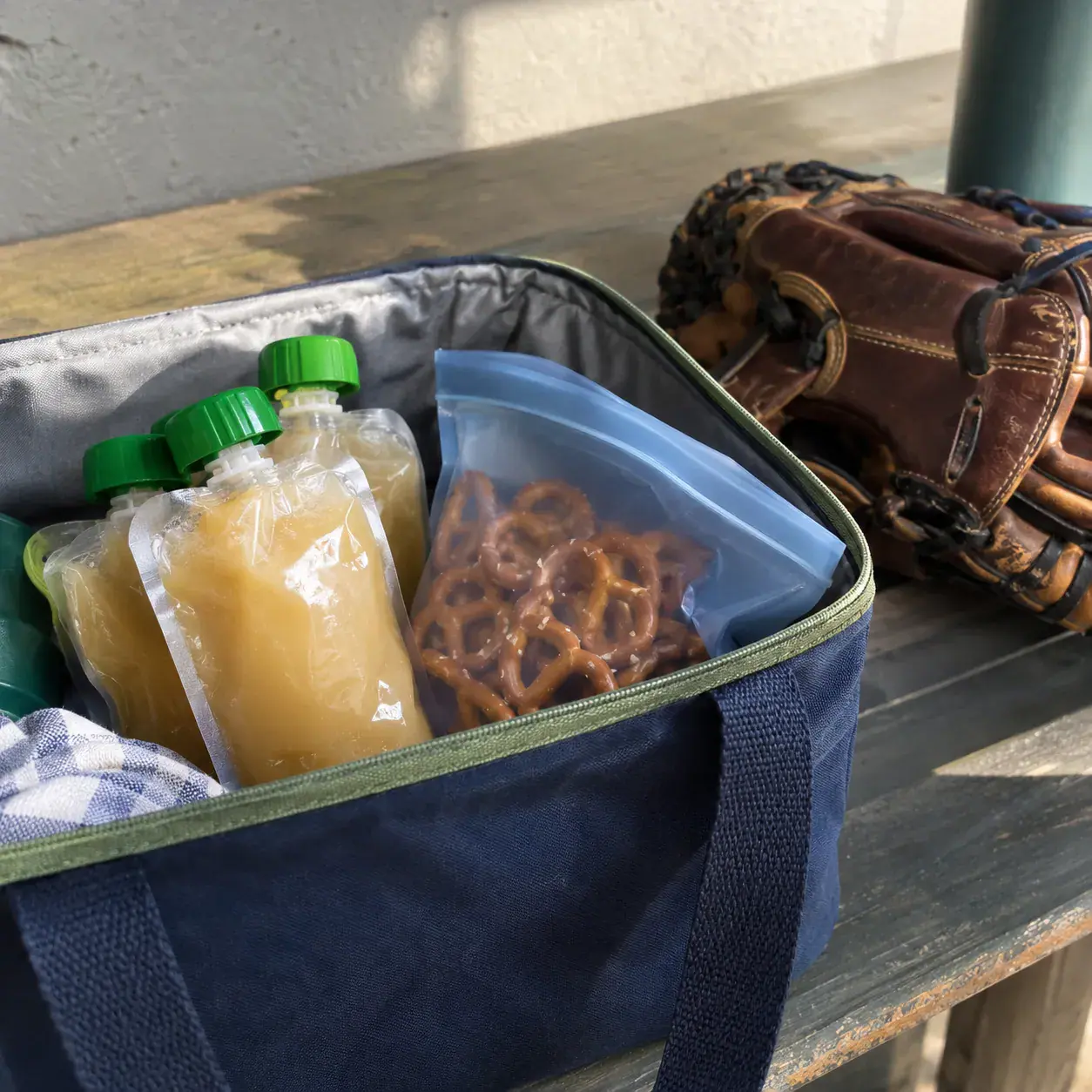
Our dugout snack bag always has applesauce pouches and pretzels, because a kid can finish either one between innings.
A sports dietitian writing for USA Swimming lists applesauce packets, crackers and pretzels as snacks for before and during exercise, calling them “easy to eat and digest.”
No peeling and no utensils. Most days, no applesauce on the uniform.
14. Sparkling Water for the Fizz Habit, After the Game
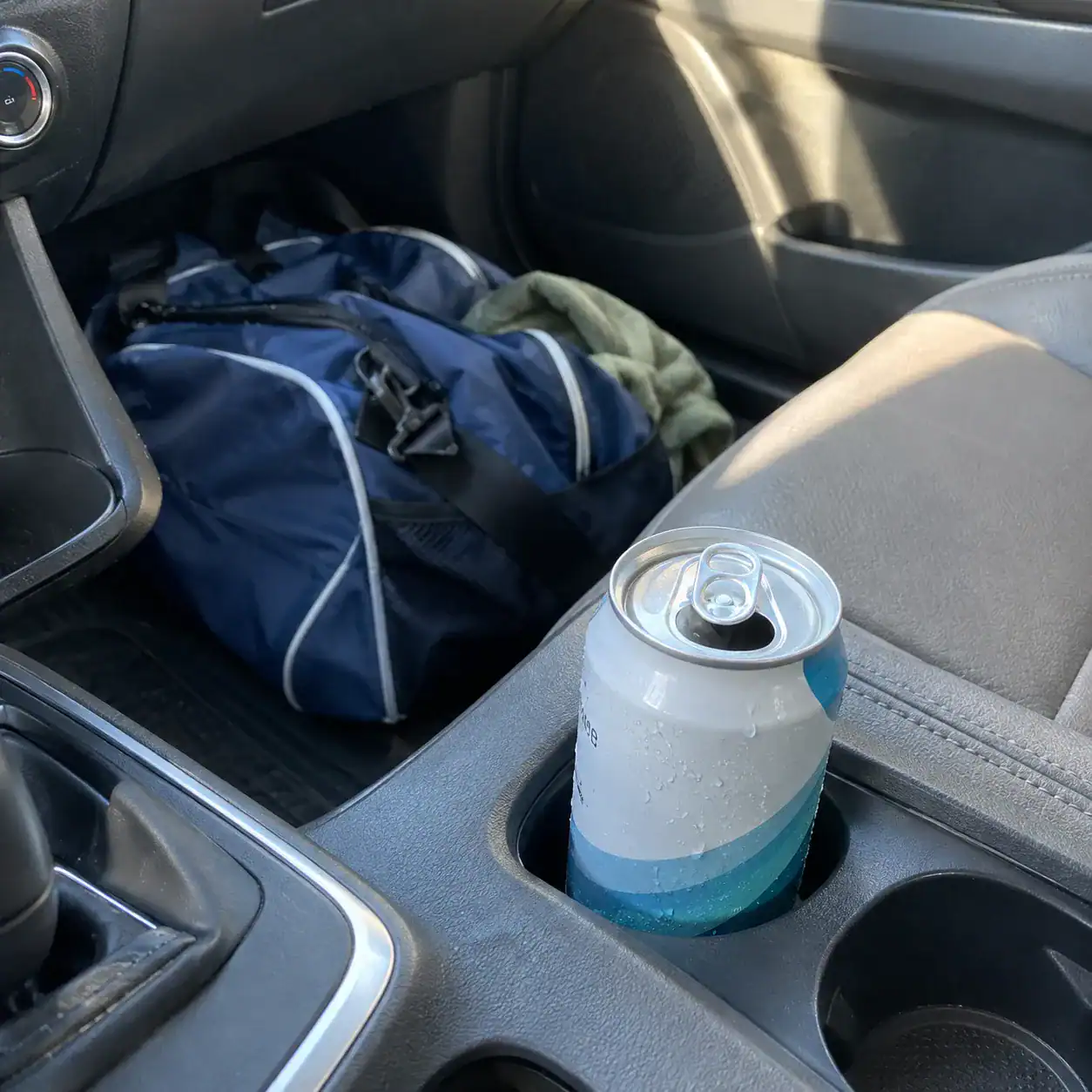
Plain or fruit-flavored unsweetened seltzer gives our teen a can to open after the game.
Our 14-year-old cracks one open in the passenger seat like a trophy, and that ritual turned out to matter more than what was in the can.
Timing matters, though. CHOC advises skipping carbonated drinks around activity because they can upset the stomach, so the fizz waits until the game is over.
15. An Earlier Bedtime
The cheapest energy drink alternative we found doesn’t come in a bottle.
The American Academy of Sleep Medicine, in guidance the AAP endorsed, says teens 13 to 18 should sleep 8 to 10 hours per 24 hours on a regular basis. Not getting enough is linked to attention problems and more daytime tiredness.
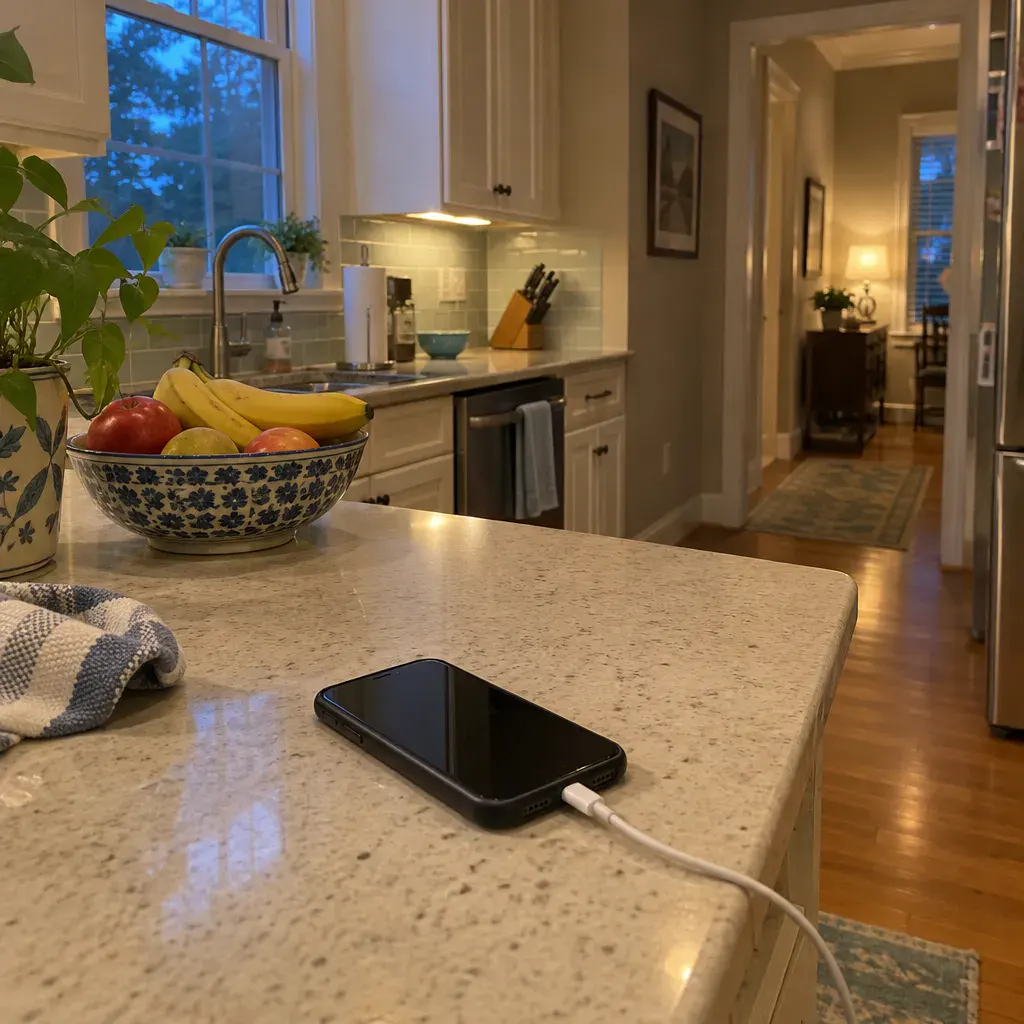
So we stopped treating the afternoon slump as a drink problem. Phones now go to the kitchen charger on school nights, and the grumbling lasted about a week.
Pack the Cooler Before Anyone Asks
The swaps that stuck in our house were the ones already sitting there when someone got thirsty.
If the fruit is cut and the snack bag is zipped the night before, all that’s left is filling the jug with ice and cold water before practice. Our 14-year-old still mentions the teammates’ cans now and then.
I make packing tomorrow’s drinks and snacks part of clearing up after dinner.